
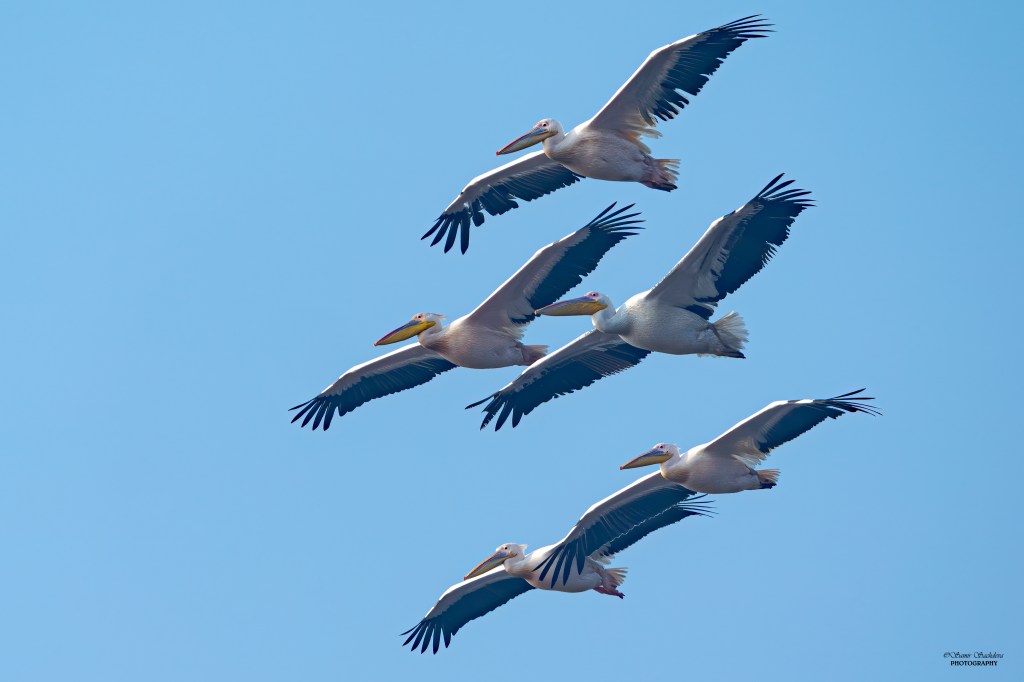
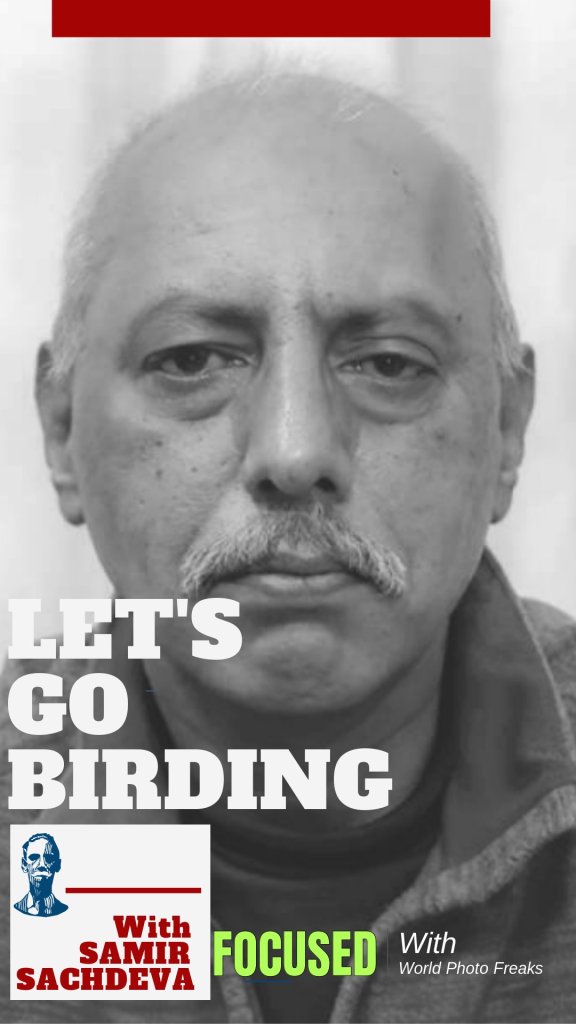
Welcome to another episode of FOCUSED |with World Photo Freaks. This time let’s go birding with the veteran photographer Mr.Samir Sachdeva.
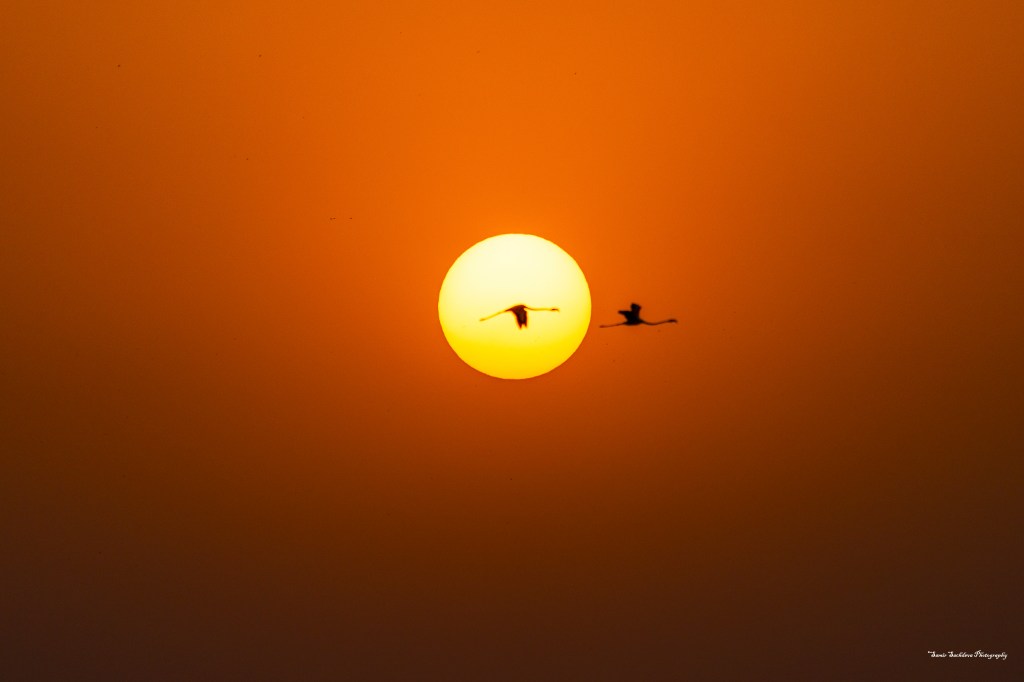
Tell us little bit about yourself Mr.Sachdeva.
Now comfortably retired, I, Samir Sachdeva, intend to enjoy life by pursuing the passion that I never could earlier due to constraints of life and responsibilities like almost all of us. Being from an army background and working night shifts as a hardware professional, bringing up the kids almost single-handedly there was no time for passions, what to say of pursuing them!
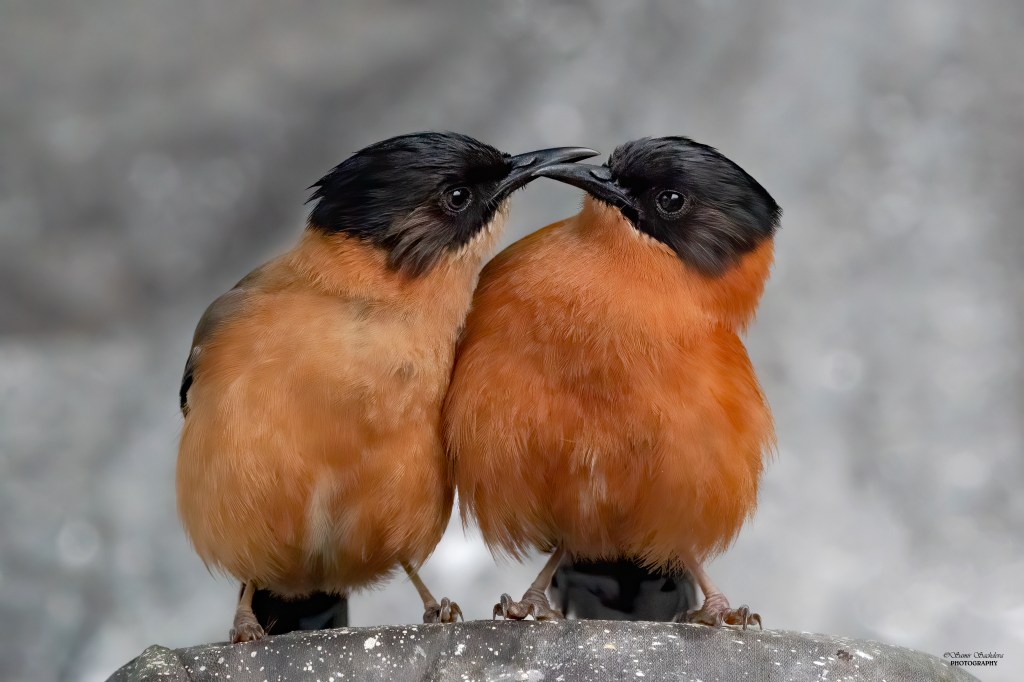
WHY Birding ?
My wife being from the hills, Kurseong in Darjeeling, the greenery, and richness of flora fauna attracted me unlike anything before. And having been brought up in Noida, even with the Okhla Bird Sanctuary being just a road connecting Noida to Delhi in the past, it never managed to attract me to the migratory birds which I used to pass by daily. And then just before retirement, the urge to get away from the humdrum of a city life began to rise in my heart. It was a dream to have our own home in the hills. And thankfully, in the jungles of Deorali near Kurseong, surrounded by forests, tea gardens, away from the humdrum of city life, we managed to build a simple abode for ourselves. The chirping of birds in the morning with some even pecking the windows is just a holy sound and sight and a wonderful feeling not to be there.
It wasn’t until two and a half years back, after my daughter left for her higher studies and I shifted to Delhi Cantt that I really began to see the variety of birds which thronged the trees in rich abundance and about which I just had no inkling as to their existence, except of course the Pigeons which dirtied the place everywhere. It was from here that the passion just mushroomed and has no intention of subsiding. It was never a choice; it was simply love at first sight. I had never seen so many birds thronging Delhi or NCR, truly which I have always believed to be nothing short of a jungle of concrete. And on seeing these beauties everywhere around, birding was natural.
It wasn’t just the birds which sat on the trees or their chirpings which caught my attention. It was the actions, their motions when taking off or even when flying which hooked me onto them. I had never imagined even in my wildest dreams all the things which birds do. The Parrots freewheeling on the cables performing astounding acrobatics, kites plunging fast and furiously down for prey in fantastic motions or even the birds scratching themselves in fast flight. Weird no, yet so absolutely true.
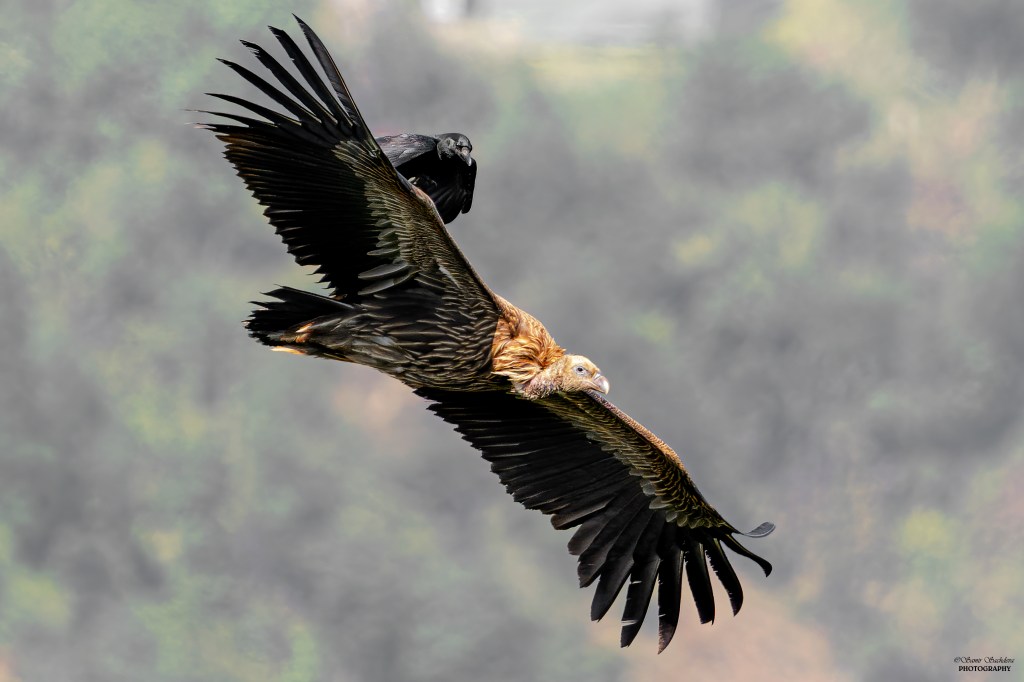
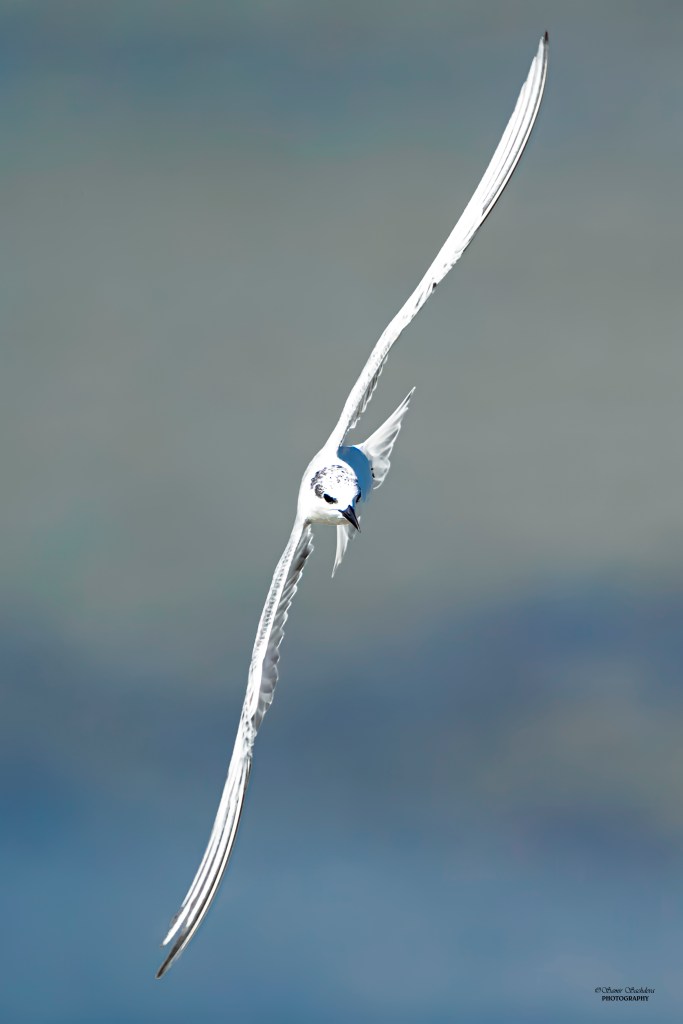
As for me, to see these beauties in flight signifies complete freedom and abandon which I seem to have missed entirely during my life. Don’t we all sometimes just want to be free to fly off to wherever we want to go? That’s what the birds are and that’s why I love shooting them in flight. And a shot of a lifetime to say so – bird riding a bird. Wow it’s just amazing what birds are capable of doing.
Birding pre – requisites ?
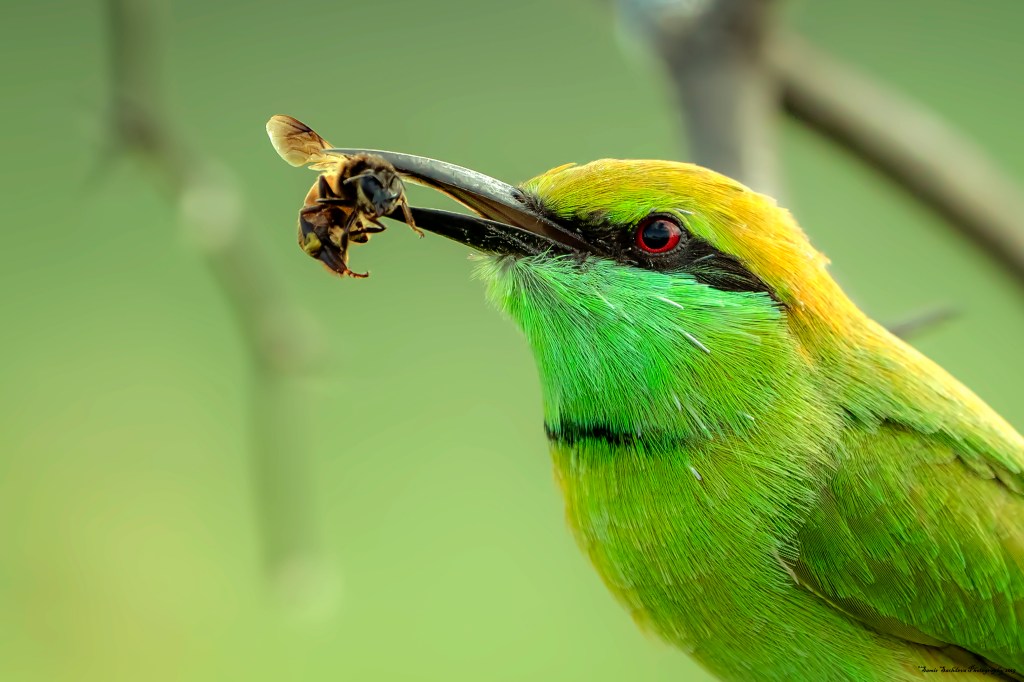
When I started photographing birds, the zoom of the camera was a big let-down. Moreover, honestly, I never knew the working or the capabilities of a camera, a stupid novice that I was. My main focus was just on shooting birds perfectly and nothing else. So, when I began, I started watching videos on youtube as well as reading and grasping the manual of my Sony mirrorless camera which I seemed to have shoved in the dustbin. I always used the auto settings and was quite happy with those. At least that gave me the best of enjoyment and satisfaction. Just point and shoot and yes it was fun man!
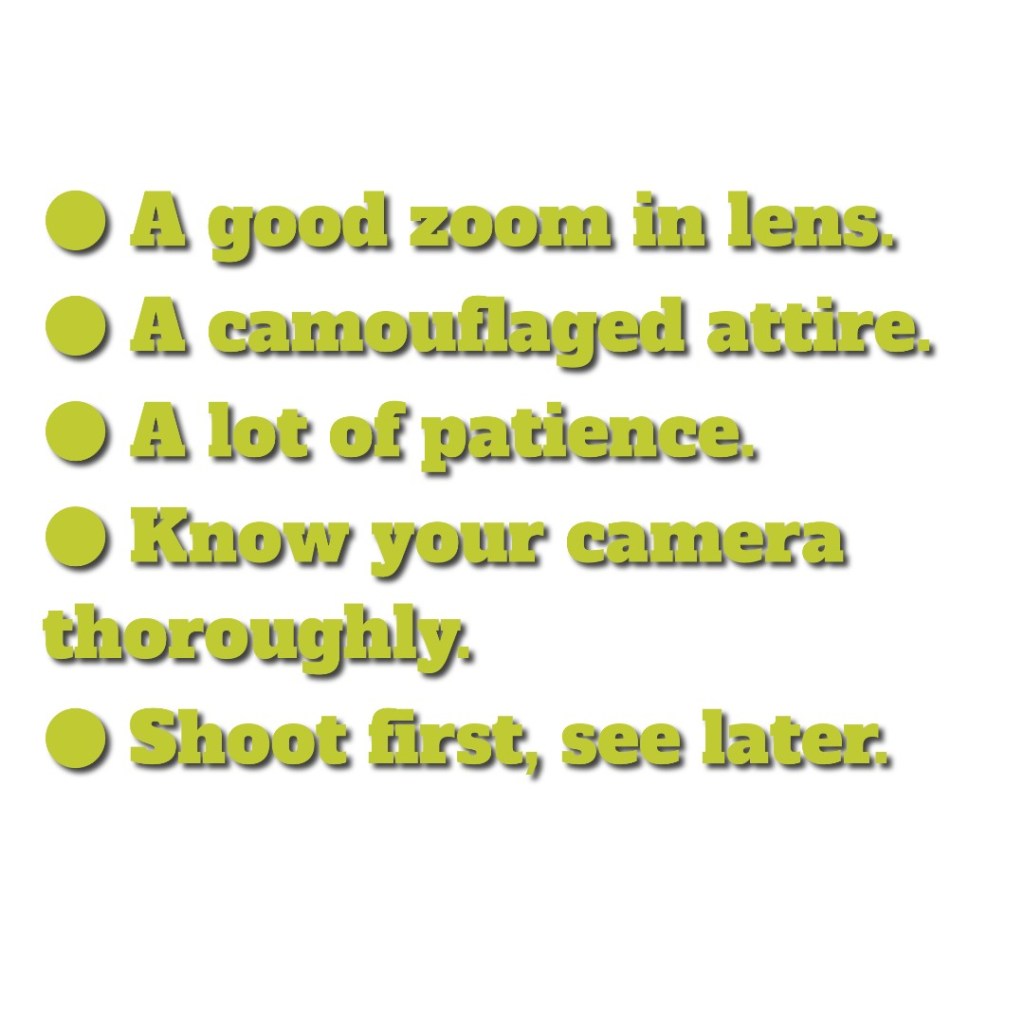
With a limited zoom, the next step was to try and get as closer to the birds as possible. And that was the worst part. The only two birds to concentrate on were the pigeons and the Peacocks which thronged the Cantt. However, on seeing my attire, they too scampered off. So, along with the camera settings, came a camouflaged attire. And with that instead of a fast and furtive movement, a slow steady and cautious approach always seemed to do the trick.
Not knowing the camera was not only a stupidity, it was also an exceptionally expensive affair as I went in for a new mirrorless camera first the Sony 7R3 paired with 100-400 mm and then – Sony A9 Mark 2 as well as a new zoom lens – 200 – 600 mm besides also going in for the 1.4 and 2x extenders. My view was that the latest was simply the best and what a joke that really was. This was because I never knew that all mirrorless cameras today have the APSC crop mode which when enabled can increase the zoom extent by up to 1.5 times though it decreases the size, it leaves one with a cropped perfect image. Pity not having known this and of course a very costly price to pay for one’s own stupidity – wouldn’t you agree!!!
Being impulsive since my childhood, this was the worst thing I could encounter yet had to overcome if I had to stay in birding…..Patience. Yes, bird photography has not only taught me to be more patient, it has also resulted in a lot of rich dividends along the way. If today I can be patient enough not to run after a bird when setting eyes on it as I used to earlier, I can also handle a lot of other things in my own stride and in my own time. Yes, patience, for any bird photographer or watcher is the key.
The bigger lens that I fondly purchased had its own drawbacks. The combined weight began to earn shake in the shots. That meant it was time to go in for a stand or a monopod. That did assist in some ways however also had its drawbacks as far as I was concerned. With the stand, I could just focus on things within my sight and only in front. If some bird just flew in from behind or from a different angle, I couldn’t cope. And that meant wasting a lot of time taking the camera off the stand and focussing thereby losing shots. So as for me, the stand was out.
Having to learn all the time, I began getting frustrated with all the settings and realised that maybe it was all a mistake. I had now stopped enjoying as my focus changed to taking better shots which wasn’t happening. Then my daughter came to the rescue. She motivated me to start practicing on the Pigeons that thronged our flat. Listening to her advice I began doing that day in and day out.
And the more I began observing these Pigeons, I also started falling in love with them. Their antics, their swirls in flight, their emotions, behaviour, their sharp and fast manoeuvres, everything about them was a marvel. And then I learnt that just pressing the trigger wasn’t the key. The key was again patience, observing diligently and staying as still as possible. No sudden action, not even raising the hand unexpectedly if the bird is watching you – so as not to scare it off.
With time passing, I began making birding friends and the inputs I got also helped me in many different ways. From being a loner, a recluse, an introvert, I began transforming into an extrovert. Having lived in the confines of four walls half of my life, I realised that life was out there, in the wilderness amongst nature beckoning me at every step. So today armed with my camera, attired to shoot, I try and be out at every opportunity that arises. That, combined with the regular consistent clicking, trying out different camera settings both in the blaring Sun or dense clouds even pounding rain and thunderstorms which has started to pay dividends. And the realization that beats everything – know and love your gear thoroughly – that in my opinion is the best deal for one and all worthwhile photographs.
Another thing that I have learnt is to shoot first and see later. I have missed out on good shots and even rare birds at times just because I was too engrossed to see if I had got a clean shot or not. And then when I was finished for the day, I used to cap my camera and start walking back – another mistake which made me lose several shots. Don’t cap the camera until you’re firmly back and don’t want to shoot more. Be ready to shoot at the drop of your hat at all times.
An added quality would be knowing the calls of the birds as well as a keen sharp eyes. As for myself, with eyesight dwindling fast, I too have learnt to adapt watching the birds adapt themselves to situations. I watch out for movements in the leaves, branches, or just a rustling in the trees is enough to bring up my camera. And the reflexes too need to be fast and furtive. Most times we just don’t get opportunities to even focus. That’s where the knowledge of the camera settings come into play. One should have them in mind for the thumb to act and change accordingly.
The shutter speeds differ from different situations and a calm steady head comes into play then. When shooting a bird perched if I have the shutter at say 200, I have to suddenly increase the same to a 1000 or more without looking into the camera settings if a bird comes flying by. And that comes only by consistent practise and being outdoors.
Bird photography in not easy. Its painful at times and quite different due to the diverse environment of our country. Out here in Delhi, its basically the shutter speed which needs to be handled. Out there in the hills, besides the weather, distances from the subjects, subjects perched deep inside the dense tall trees appearing dark silhouettes, no nearby approach due to steep sliding mountains, its just a different ballgame. Out there in those places, all the camera settings including ISO and aperture come into play, all at the same time. And one must be comfortable and at ease with those.
While in Darjeeling, with the weather playing truant, clouds engulfing everything, clarity becomes my worst enemy. However, thanks to friends and online searches, it is a great learning as far as ISO and shutter speeds are concerned. This has taught me to keep shooting in all conditions because that’s where the ultimate knowledge comes from when we commit mistakes. So just keep shooting is my motto. Trial and error are more important than bookish knowledge.
Favorite bird watching destinations ?
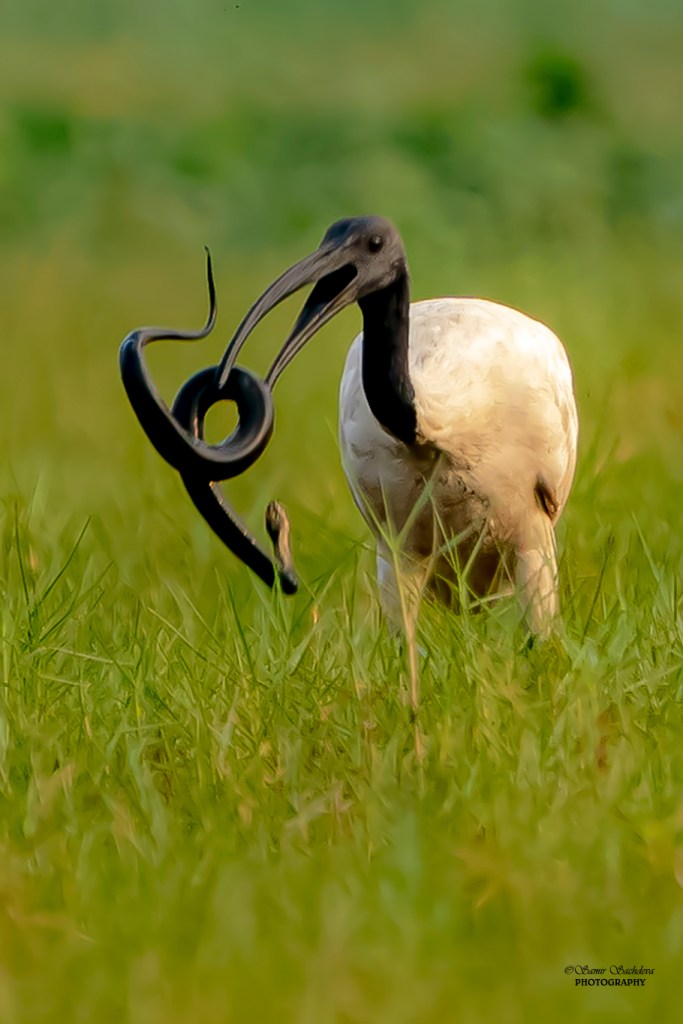
When I started off, Bharatpur being the closest to Delhi was always on my hitlist. And still today too it seems to be just that. Reason being that one not only gets all kinds of birds, but action shots too are a plenty. And with the vast open spaces in Bharatpur, one is able to get good shots in almost perfect backgrounds. Moreover, the birds there are within easy reach of even normal lenses which does matter in the end for those having basic zoom. Its just enjoyable to be there even if one isn’t into photography. Besides, Mangalojodi in Odissa is the place where one can find snakes being devoured by both big birds like Herons and Kites, kites picking up fishes and even Pulicat in Karnataka where thousand and thousands of Flamingos flock during the migratory season turning those small islands pinkish. Or the North East where almost all colourful birds can be found along with the coloured Hornbills for which Latpanchar is famous not forgetting Sunderbans. Every place, every state in our country has lots to offer if explored properly.
Kit essentials while birding ?
Whenever I plan to go out, there are two things foremost in my mind. I need extra batteries as well as good enough storage that should at least last me a full day. For that I keep two extra batteries along with two chargers, at least two 64 Gb cards handy – if one uses the burst mode quite a lot like me. I also tend to pack in my extenders which come in handy if the light is good and the space is wide to shoot. If I plan to sit and shoot as the case is when I visit Bharatpur, I pack along my tripod along with a small chair to relax while waiting. Visiting the far off and off the beaten track remote places, I pack in an additional electricity socket extender as those places don’t have enough sockets for charging all the appliances at the same time. For longer durations of stay, a laptop too becomes necessary for transferring files. The most important thing to carry along is the Camera cleaning kit and shouldn’t be forgotten. And water, lots of it as it may not be available at all the places.
For post processing?
When I started, I never knew what noise meant. For me it was just pixelation in the photo. And those became more prominent for shots that were way far than the reach of my camera. Reading and asking friends, I learnt about noise. And that got me into Photoshop. Even today I just use that a wee bit, have never gotten deeply into that. I prefer taking snaps that wouldn’t require too much of editing and sitting on my laptop for long durations. For me it is more important to be out there and enjoying all that I have missed for half a century.
Camera settings?
As for camera settings while photographing birds, there is no one single setting. It all has to be tried. However, in normal situations a shutter speed of 500 – 800 and an ISO of around 500 in normal daylight conditions should be enough for perched birds….the larger end in shutter is to take care of any shakes if that were to happen. And a clear presence of mind to change those according to the situation. For vast expansive spaces I generally use the 200-600 mm otherwise the 100-400 mm does the same quite decently. If I do have to carry just one lens, I prefer the 600 mm for better reach.
Advice to the young birding enthusiasts.
The best advice that I can give is to just enjoy. Don’t consider the outcome more important than the act. The act sooner or later will pay dividends for that is where one learns from and not the other way around. If I at 50 plus can start life a new, realise what wonders you all youngsters can do!
World Photo Freaks Facebook link :


 PHOENIX PHOTOGRAPHY
Leave a reply to Sanjay Cancel reply