
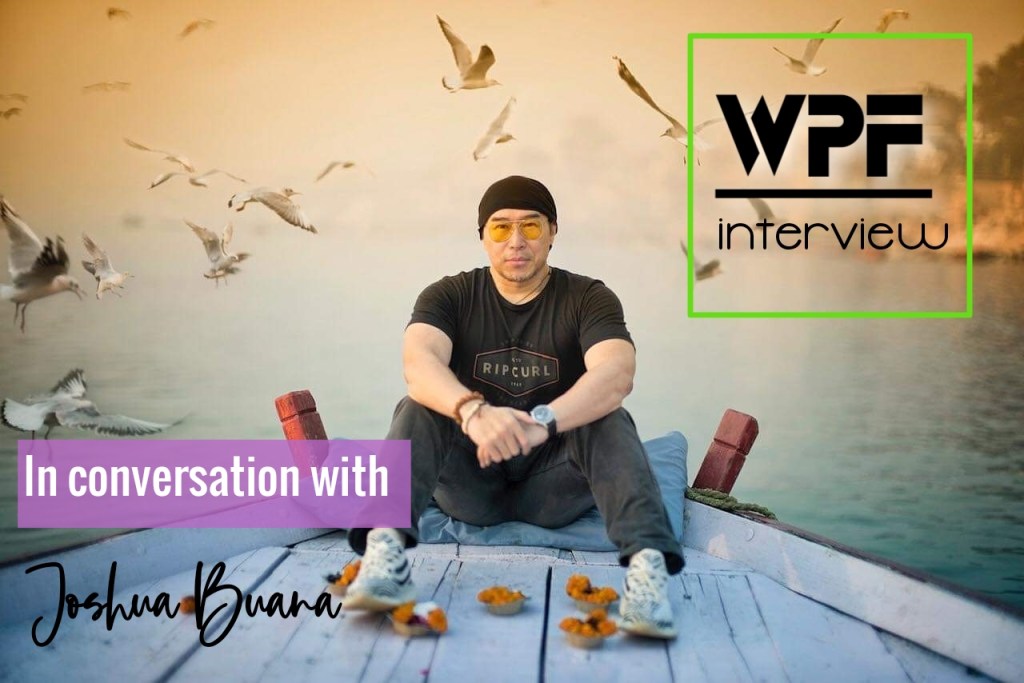
Introduction
Born in 1973, Joshua graduated from Petra University – Indonesia majoring in Architecture in 1996. He is the founder of the award winning Architec graphic design company based in Surabaya. Throughout his 25 years in the field of graphics design, Joshua is proud to have won some of the most prestigious design awards, most remarkably the Scopa Millennium, Pinasthika and Conqueror Awards. A newfound love for expressing his aesthetic sense through the medium of photography has allowed Joshua to capture human interest and street photographs since 2014. Most of his works capture the local people’s portraits, architecture of places and its heritage. Joshua loves to articulate the balance and harmony between humanity, cultures and architecture all round the world.
What brought you into street photography?
Storytelling about the people, of course. I love environmental portrait as well. Street photography is all about candid photography of people and humanity. Capturing everyday life in a public place. It demands the photographer to look for moments and compositions, to anticipate action and to react quickly. It taught me about being aware of the details of life.
What are the difficulties you faced while starting street photography? How do you cope with those situations now while shooting?
When I just started few years ago, fear can made it so difficult. Even when you get to the point of being comfortable photographing strangers, the fear can make you tentative enough to just miss the moment. Street ambiance (composition, lights, subject, background, etc) is vibrant and constantly changing. Yes, the backdrops may remain static, but the subjects that interact with those backdrops are constantly changing. And, conquer your fear first. The worst thing can happen is, people getting angry with you. It’s normal. Don’t worry you’re invading privacy or interrupting something. So, be confident. Most people will only get offended but not hit you. In fact, you have the legal right to shoot photographs of strangers in public spaces without their permission.
Tell us about benefits of street photography?
Shooting street photography is one of the best ways to overcome social anxiety. Although street photography is traditionally about being invisible on the street, it is also incredibly social. You will increase your ability to be in charge of meaningful conversations while starting to interact with strangers. When shooting people on the street, you immediately try to make some sort of connection. Street photography gets you out of your comfort zone and stretch yourself. Your technical skills will improve faster. It keeps your brain active. This helps you to keep learning as you get older like me and also stay more mentally sharp. Finally, you will meet other life, other world. And start seeing all things in another perspective.
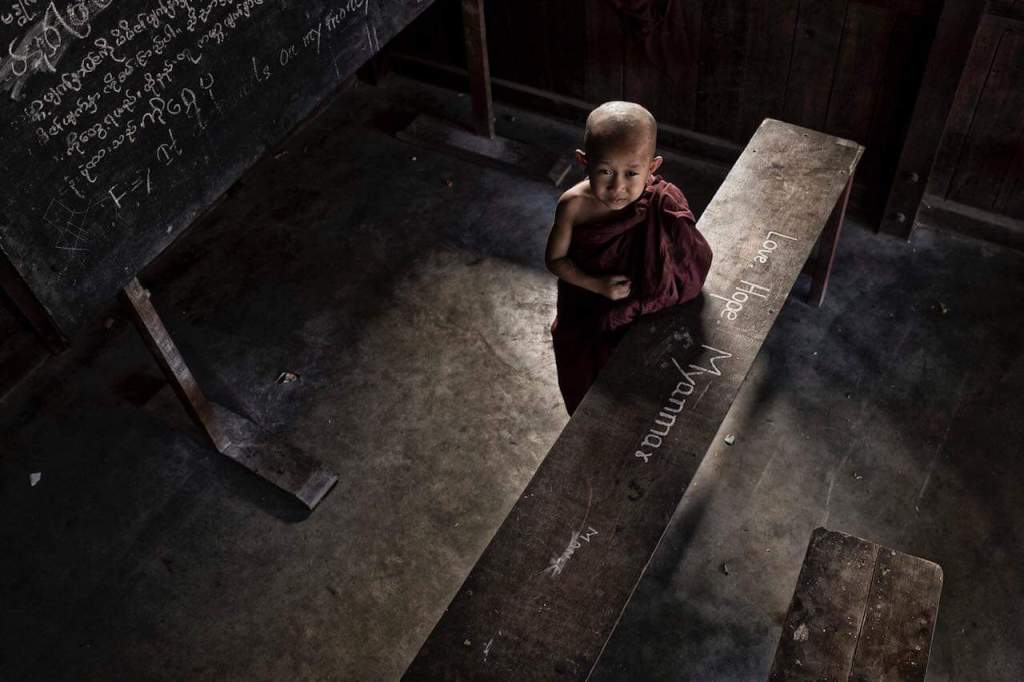
Your thought on photowalks.
Photowalks allow photographers to learn more about the skill from each other. Since we all see the world differently, we will also photograph the same subjects in a different way, or even be interested in completely different parts of the same scene. It can help us improve photography skills. Photowalks don’t have to be long. And keep things as simple as possible Minimal gear, and fewer people in a group. Having less people in a group allows for more shooting and less chatting.
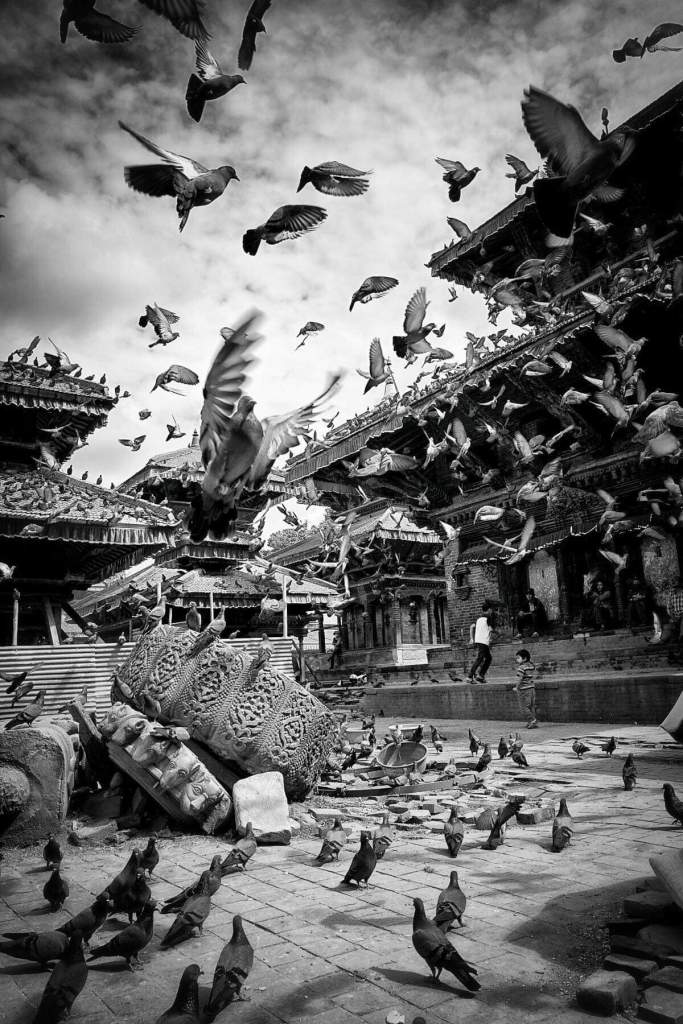
How has social media played a role in your photography?
For now, it’s the main place I can share my photographs and get extensive exposure. Social media platforms are powerful place to amplify my thoughts, as well as showcase my artworks to other people. Your good content needs to be seen. And social media can be valuable asset in increasing your viewers, spreading your message and showcasing the extent of your collection.
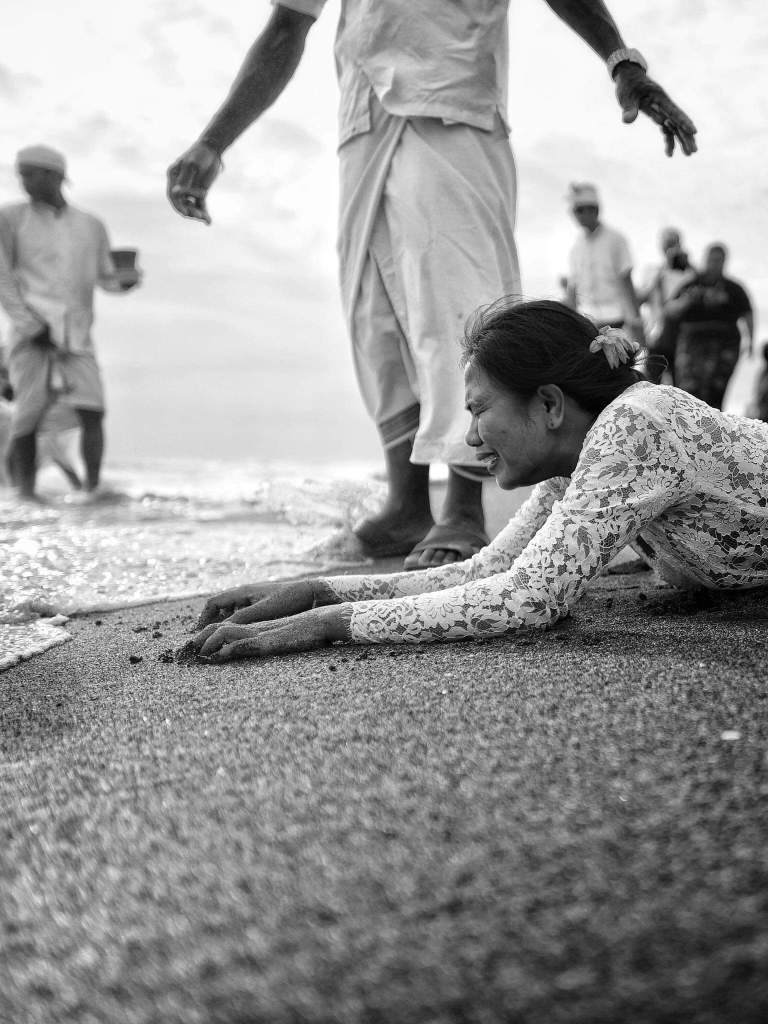
Given a chance to go out shooting with a special photographer alive or dead who would that be?
Steve McCurry and Joel Meyerowitz.
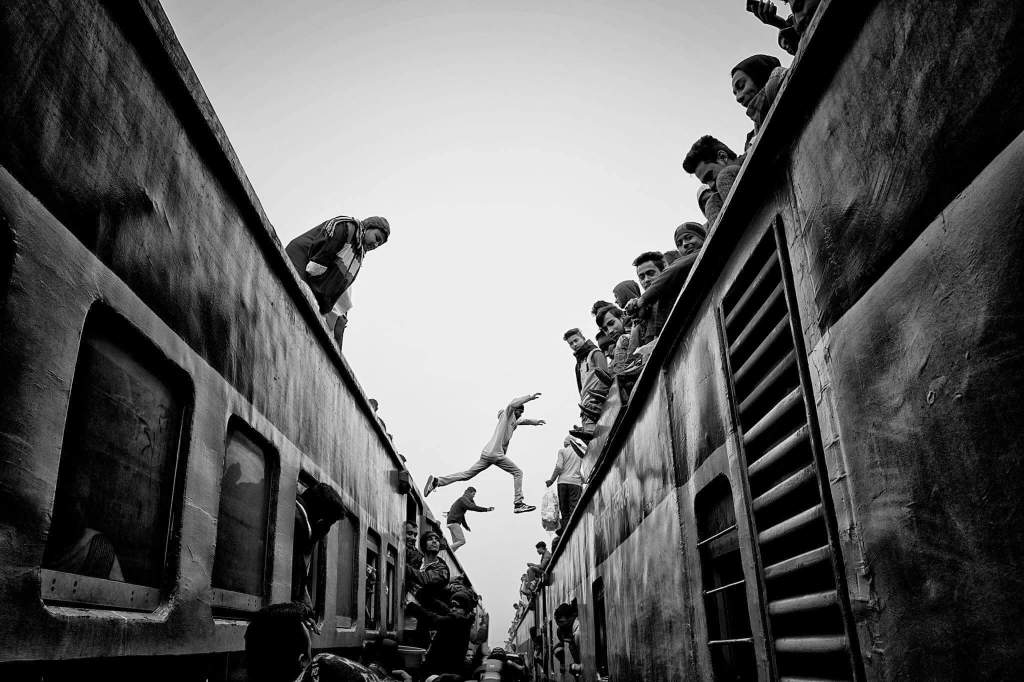
Do you think adhering to rules of composition is that important for a photographer?
The success of any design or photograph depends on the use of balance, color, and other fundamental elements of composition. Many designers like me, and photographers use the rule of thirds in design as a simple way to bring a greater sense of visual balance into the frame, while consciously directing the viewer’s attention to key elements. It’s important to note that in composition, ‘asymmetry’ and ‘balance’ are not opposing concepts. When you think about a perfectly symmetrical photograph, the sense of balance is clearly strong — but it sacrifices a sense of movement and flow. The rule of thirds can help photographers more easily zero in on striking compositions that provide the proper balance between subject and background.
Please describe your camera kit bag.
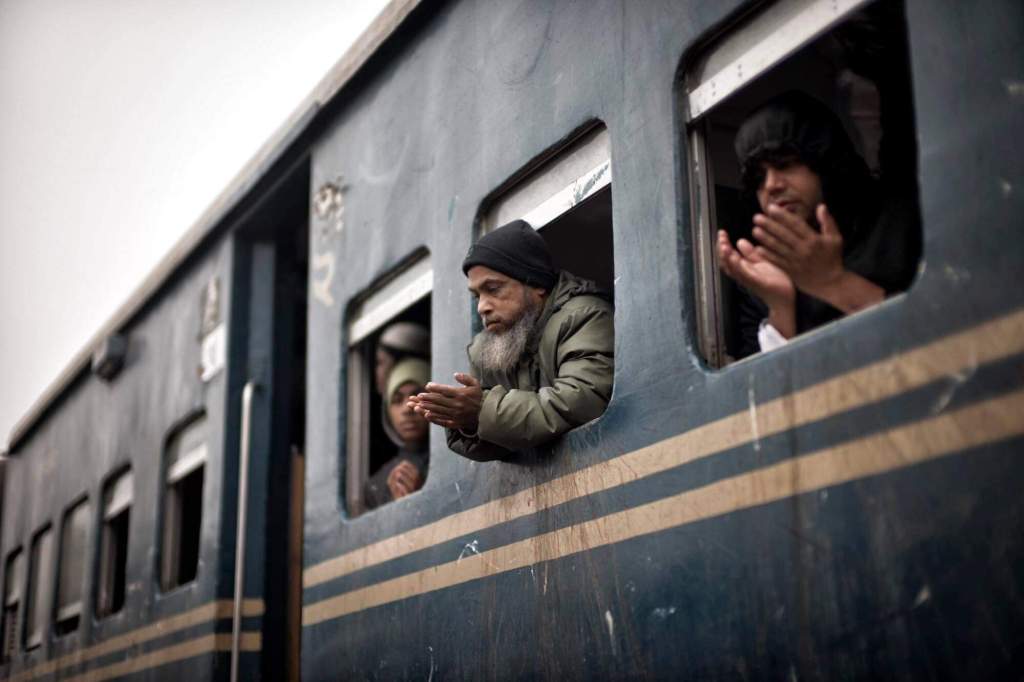
I’m bringing Leica Q (its classic 28mm fixed lens is perfect for street, architectural and environmental portrait photography) and Leica M with 50mm / 1.4 Summilux lens for portrait shot in my camera bag. I have used Canon 5D, Fuji X-Series, Olympus OMD and Pen few years ago, then falling in love with the Leica system for magnificent quality and simplicity.
What is your preferred style of photography – color or monochrome? Why is that so?
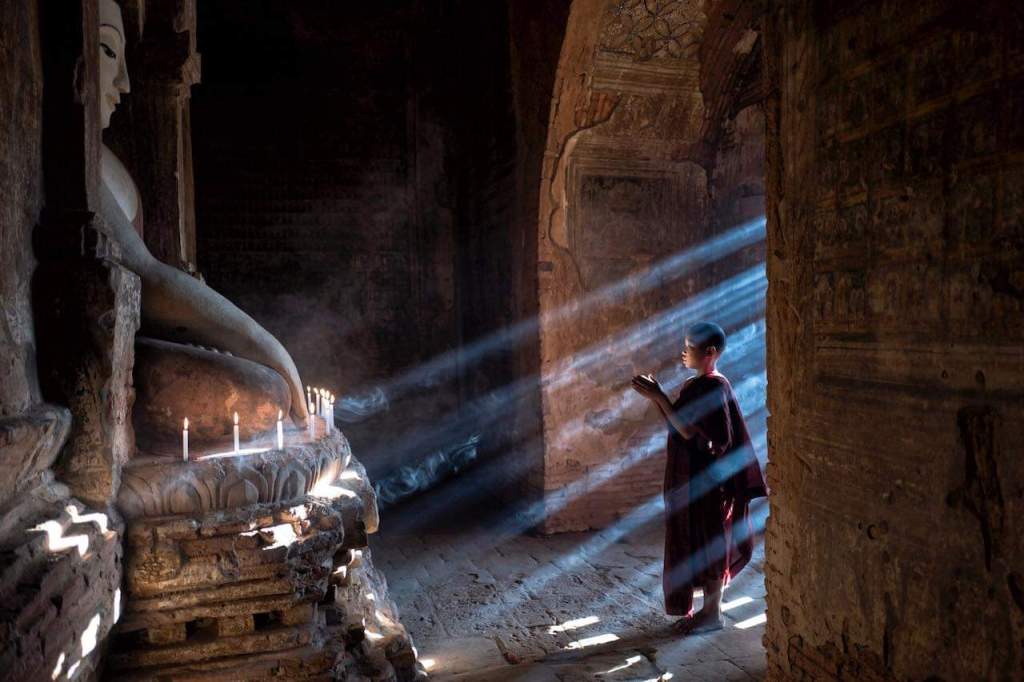
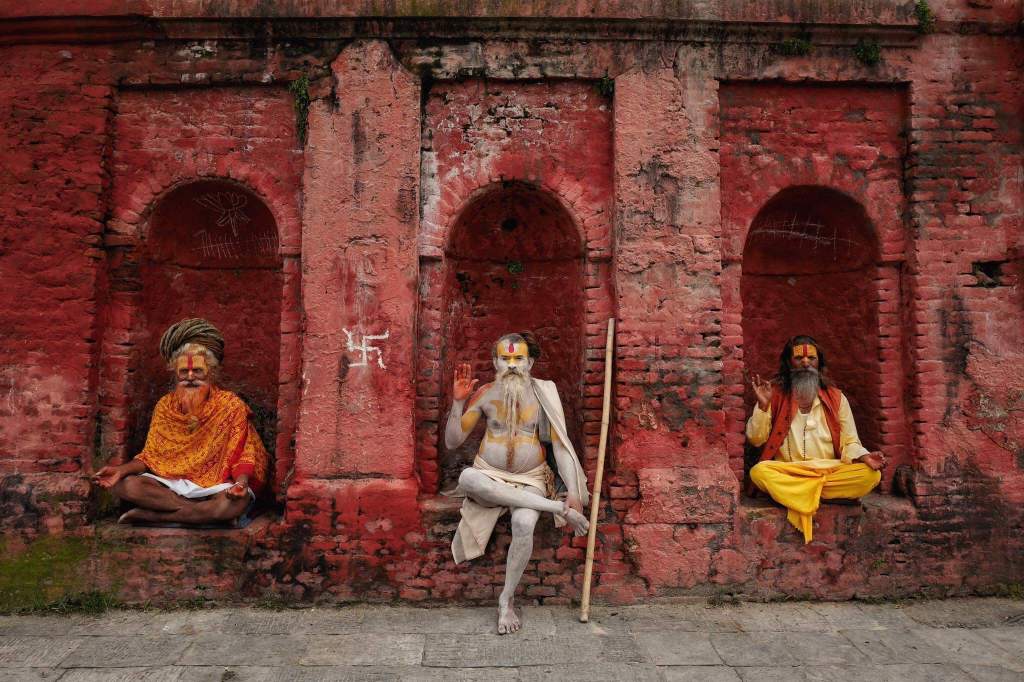
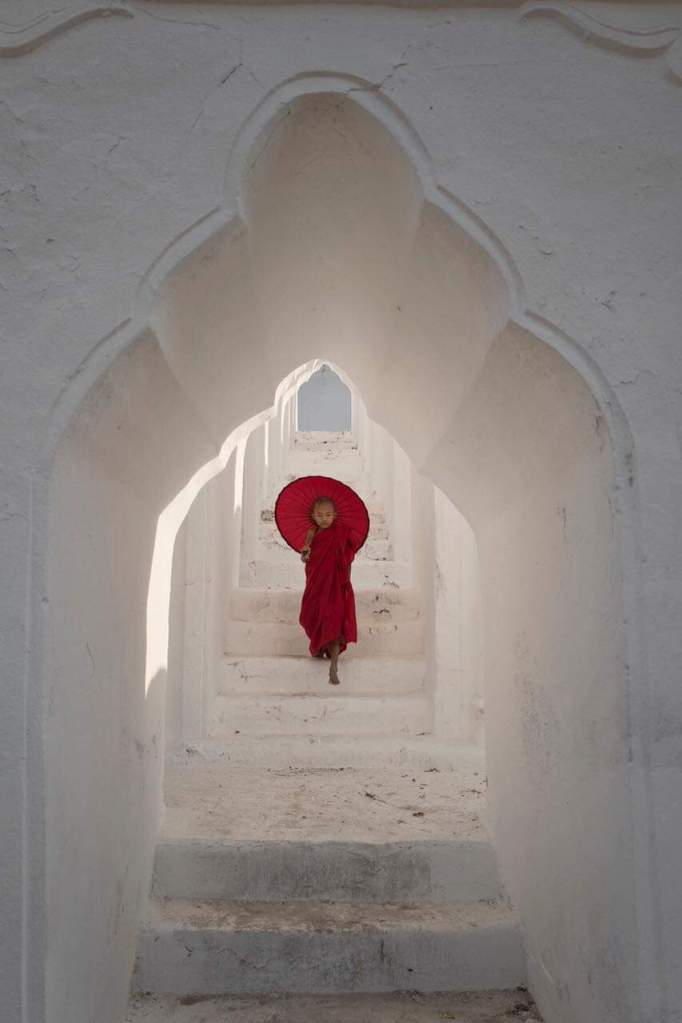
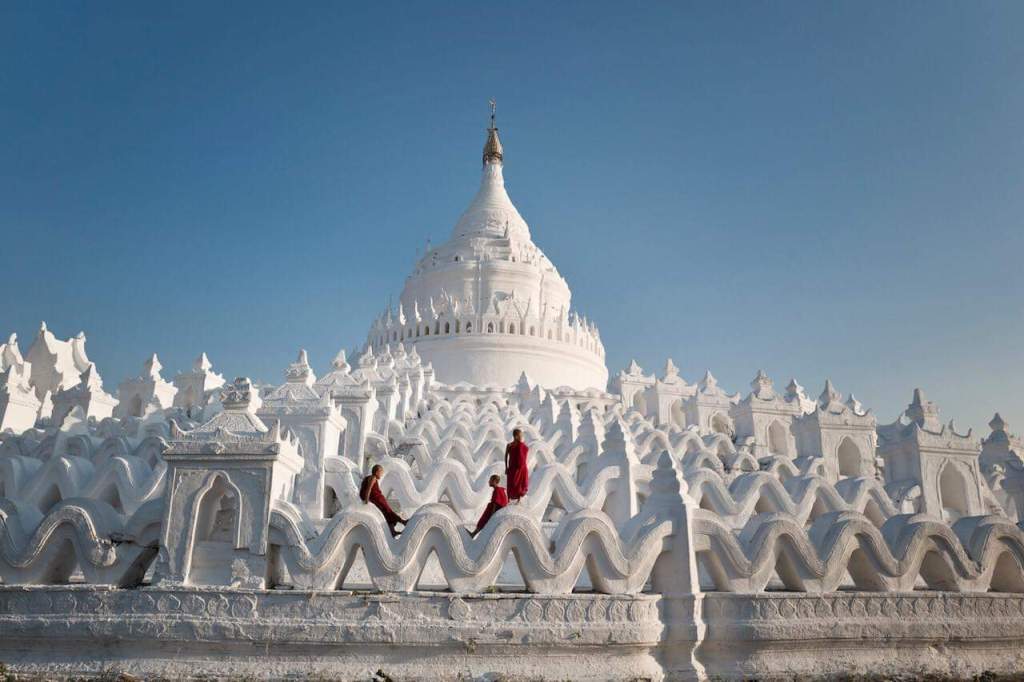
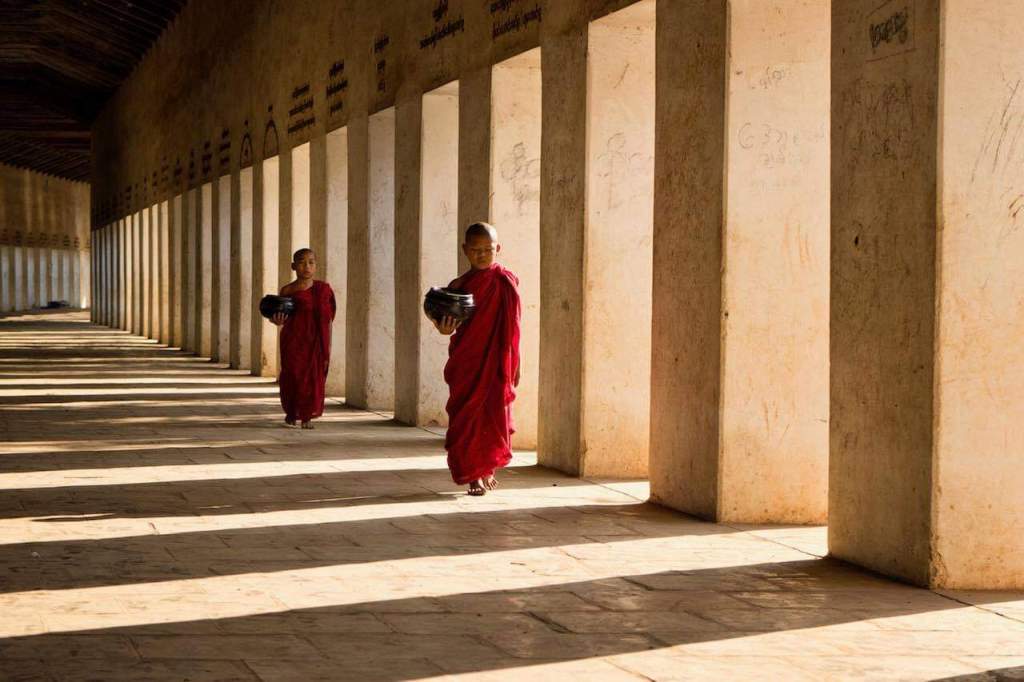
Both. Black and white images can be very powerful, but color lends itself to great shots too. It’s a question that doesn’t have a right or wrong answer. For me, it depends on the subject I shoot. Color can be a great compositional tool. I love the color of India, Myanmar and Nepal. But, when colour isn’t a strong point in the image, I consider converting it to black and white. Black and white photographs can portray different emotions than colorful ones.
Your favorite / memorable travel experience so far?
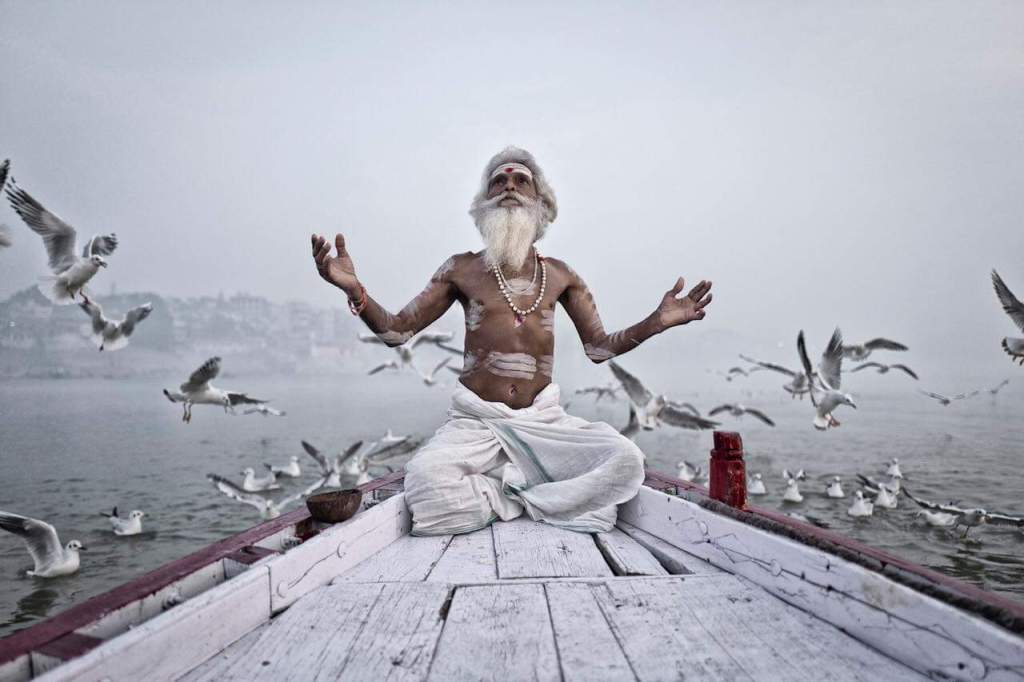
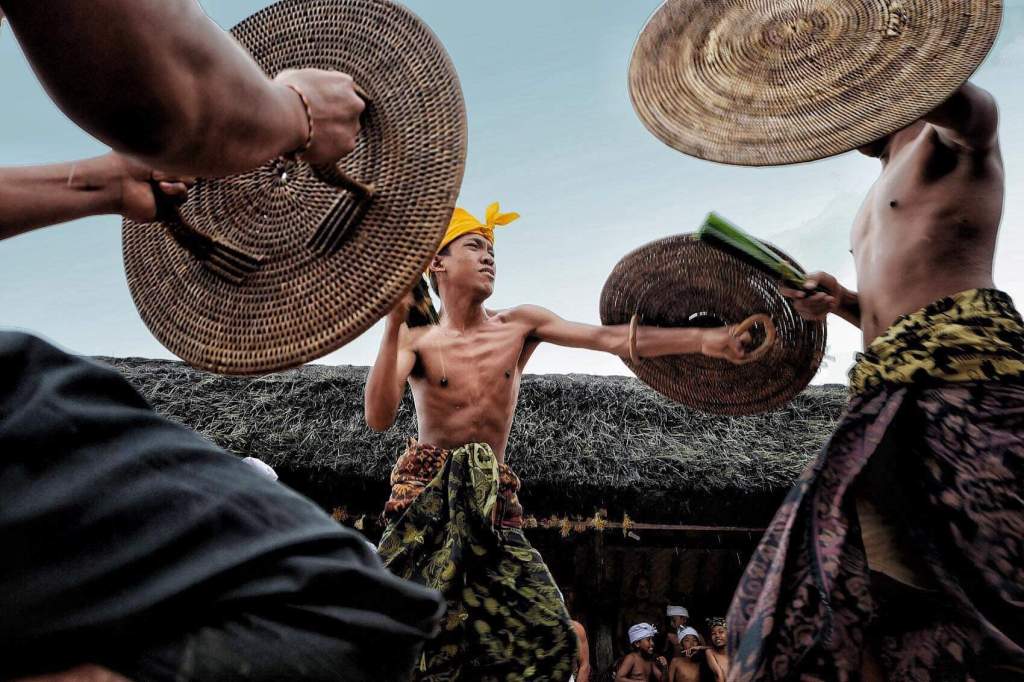
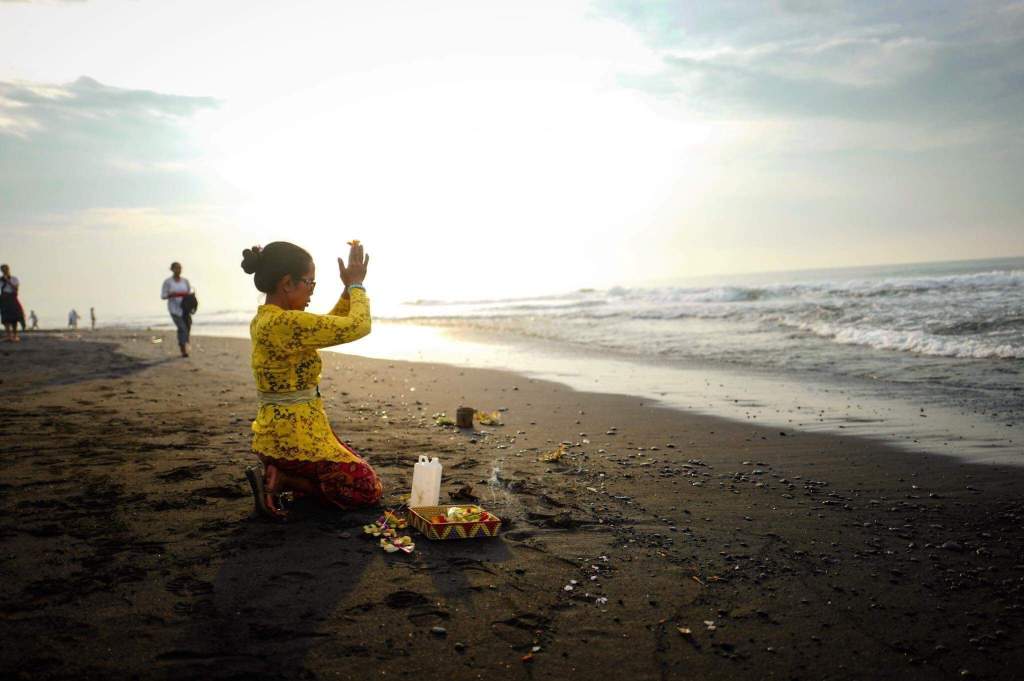
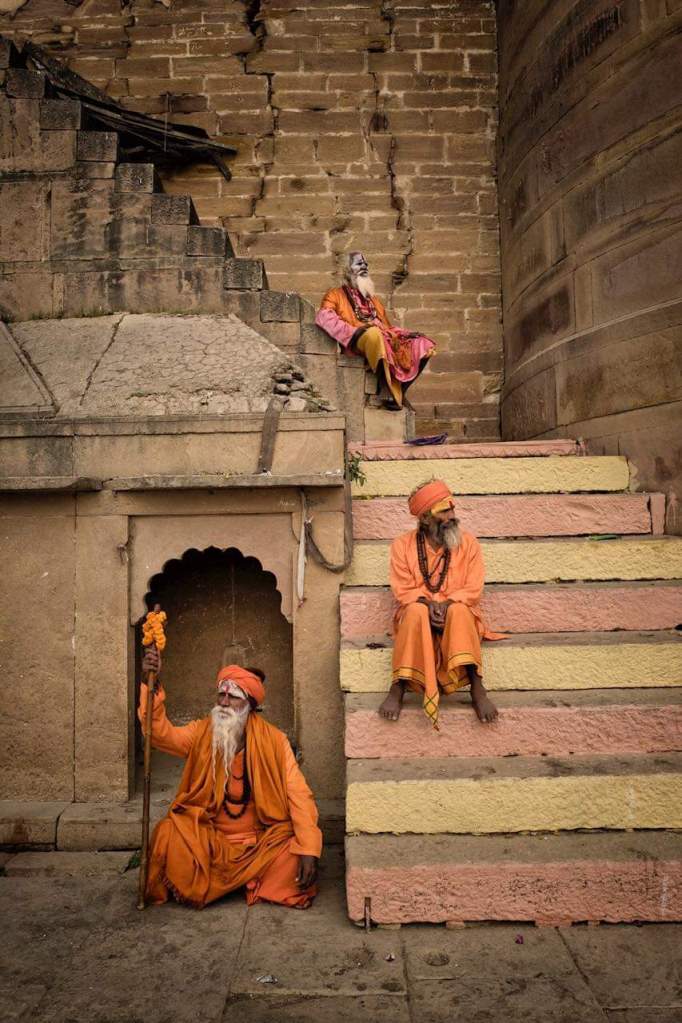
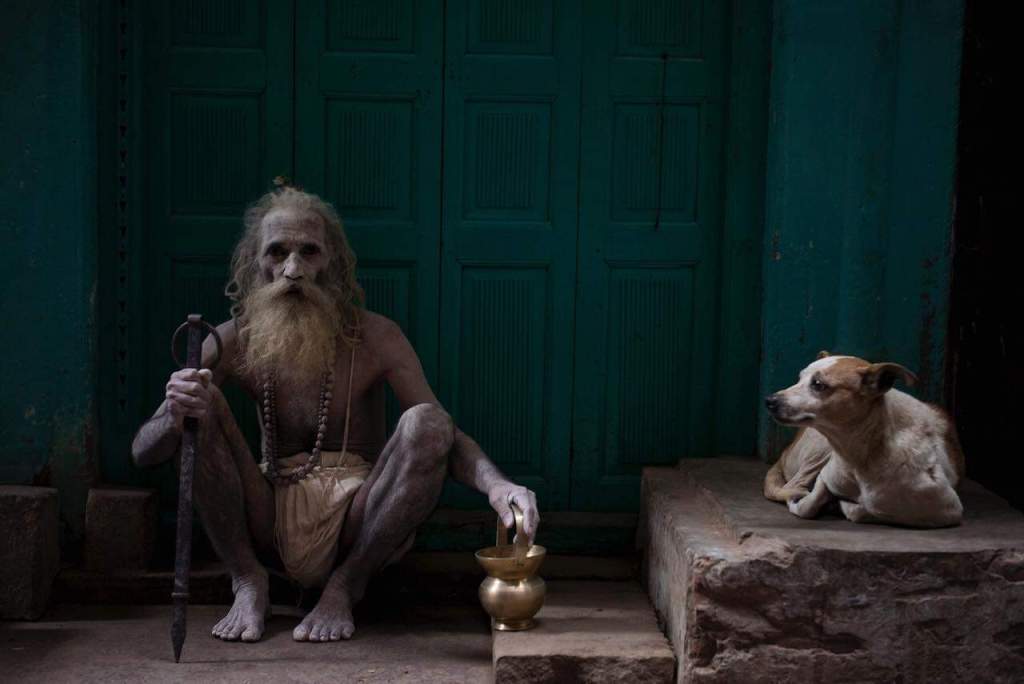
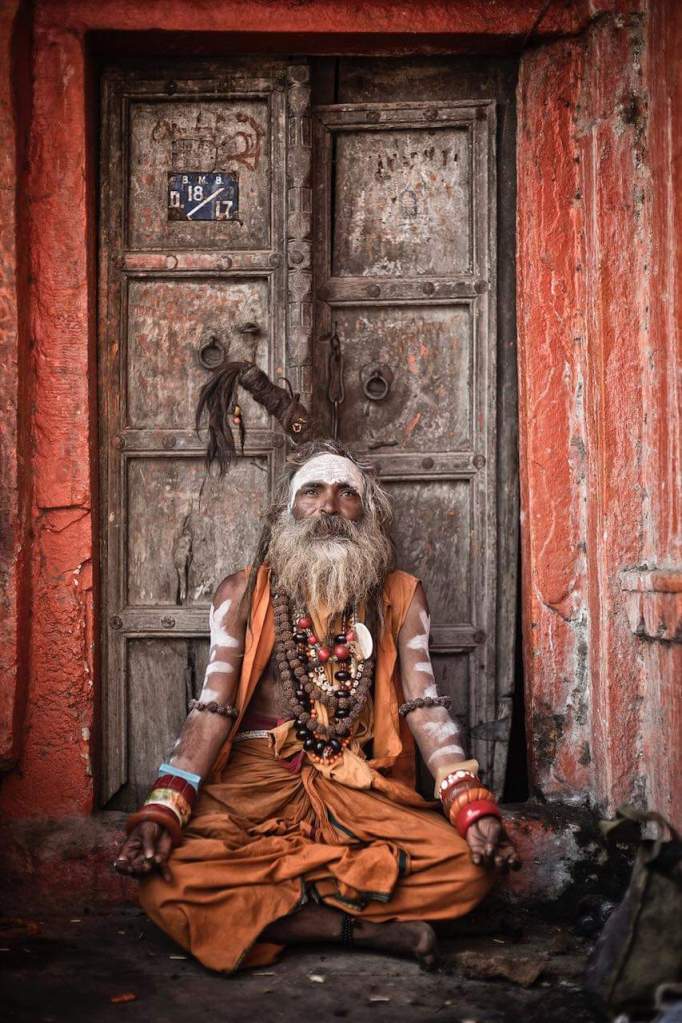
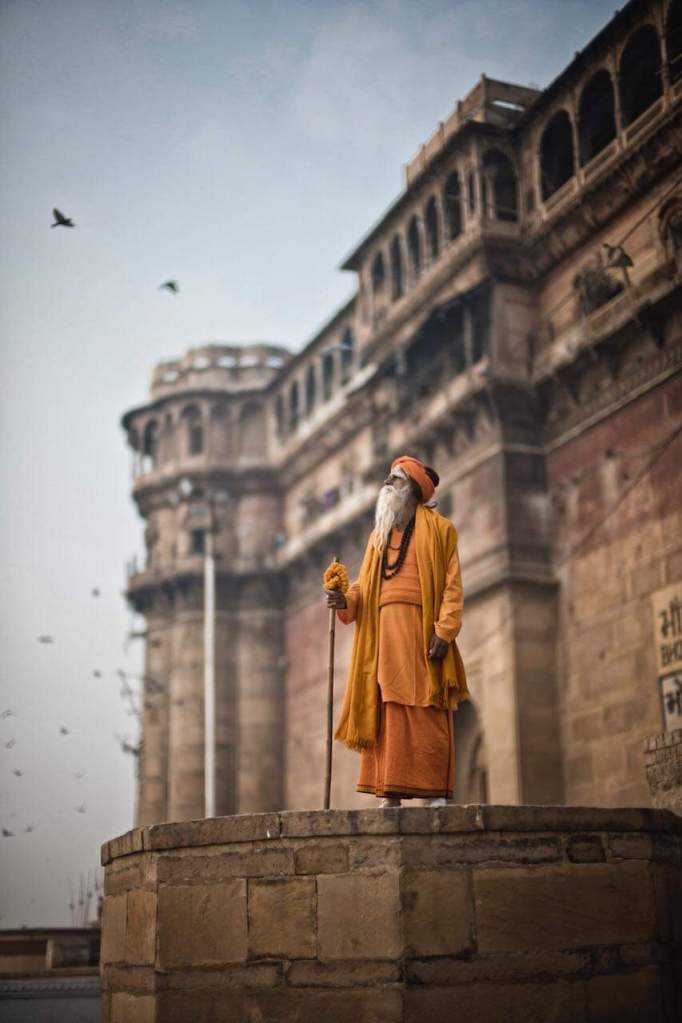
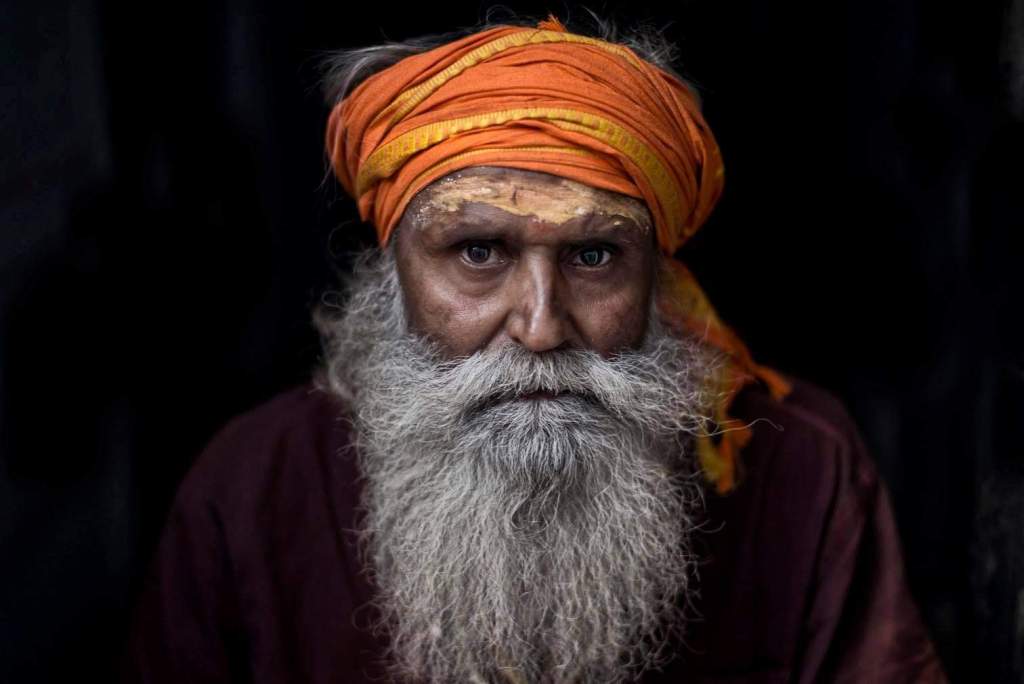
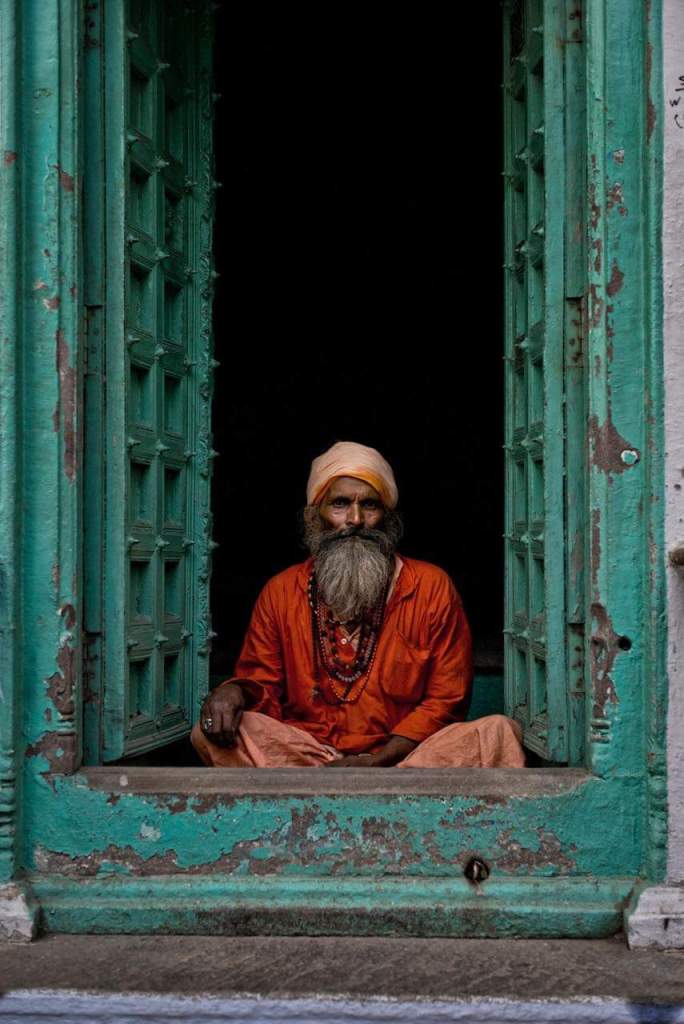
The Sadhus in Varanasi. I visited this soulful ‘city of lights’ twice to arrange some portrait series of the Sadhus. I also loved my travel to Bali in Indonesia.
Whenever you are out in the streets for shooting, do you have a theme in your mind?
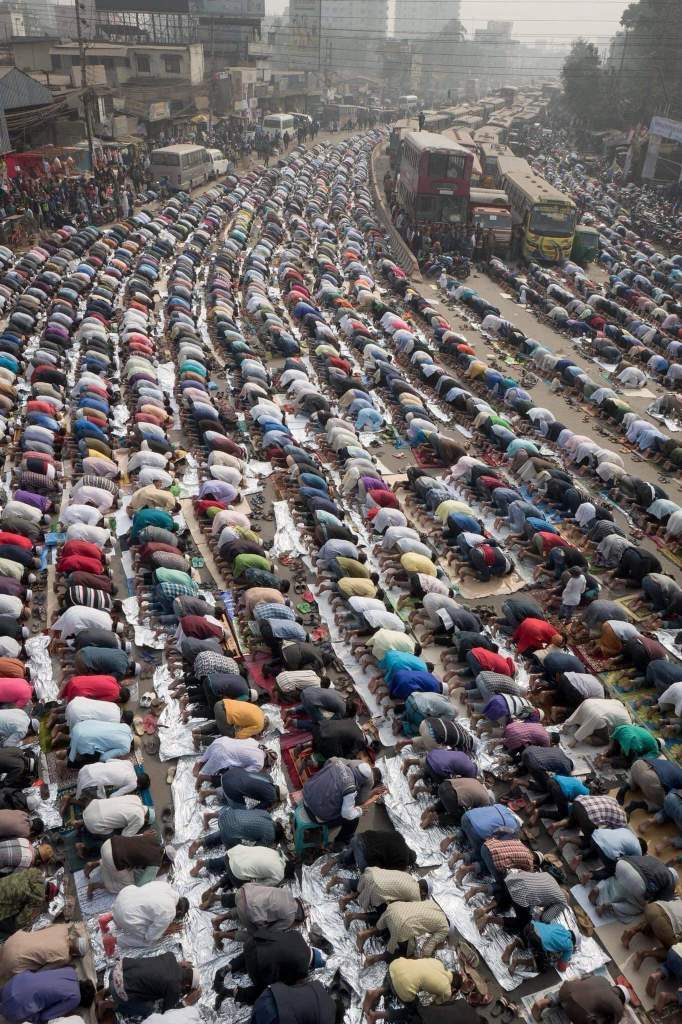
Honestly, no. I’m just walking around to find interesting people, things and life activities to shoot. I’m focussing to find unique people as the primary subject, then observe their daily activities, culture and environment as context of the story.
How did the COVID 19 pandemic affected your photography?
I hate to cancel some international photo trips due to the pandemic. I just have fun with my iPhone to take some food or family photoshoot at this time.
Any advice to young upcoming photographers?
Photography is an amazing way to express yourself and see the world around you. As with anything that’s new to you, you’ll need to show patience. While it’s true some people will have a natural eye for photography, they also won’t succeed without patience and practice. Photography is a broad area, and there are so many different types or genres of photography. But sooner or later though you’ll need to decide whether you’re a portrait, landscape or food photographer. Once you have decided on the genre of photography you wish to become good at, find someone who is already good at that, and approach them to be your mentor. That’s all.
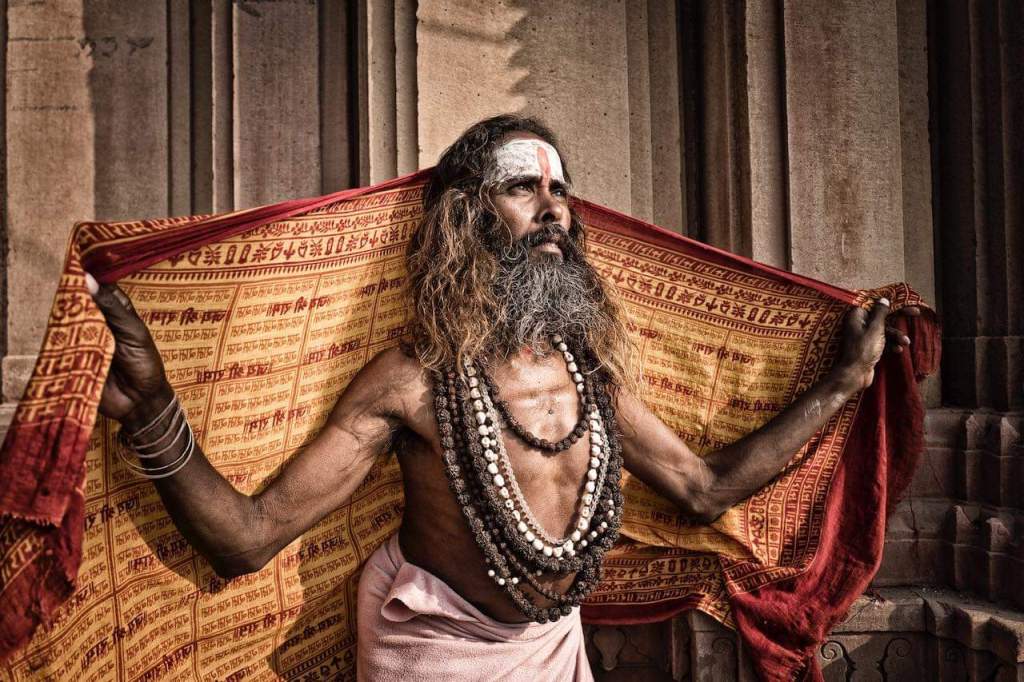
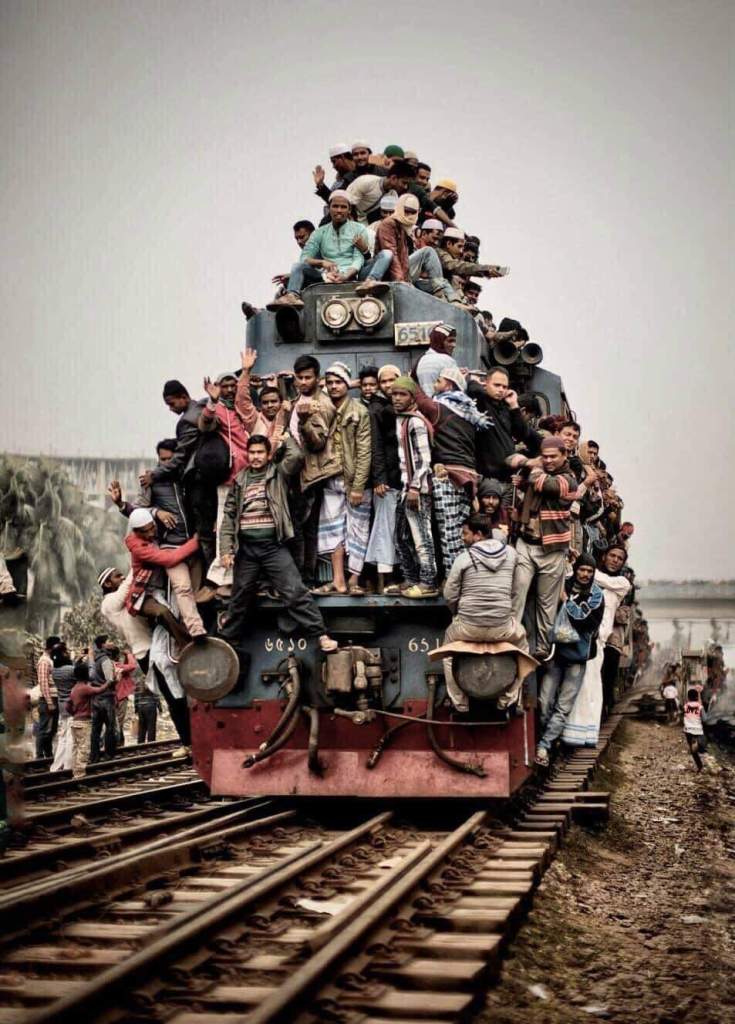
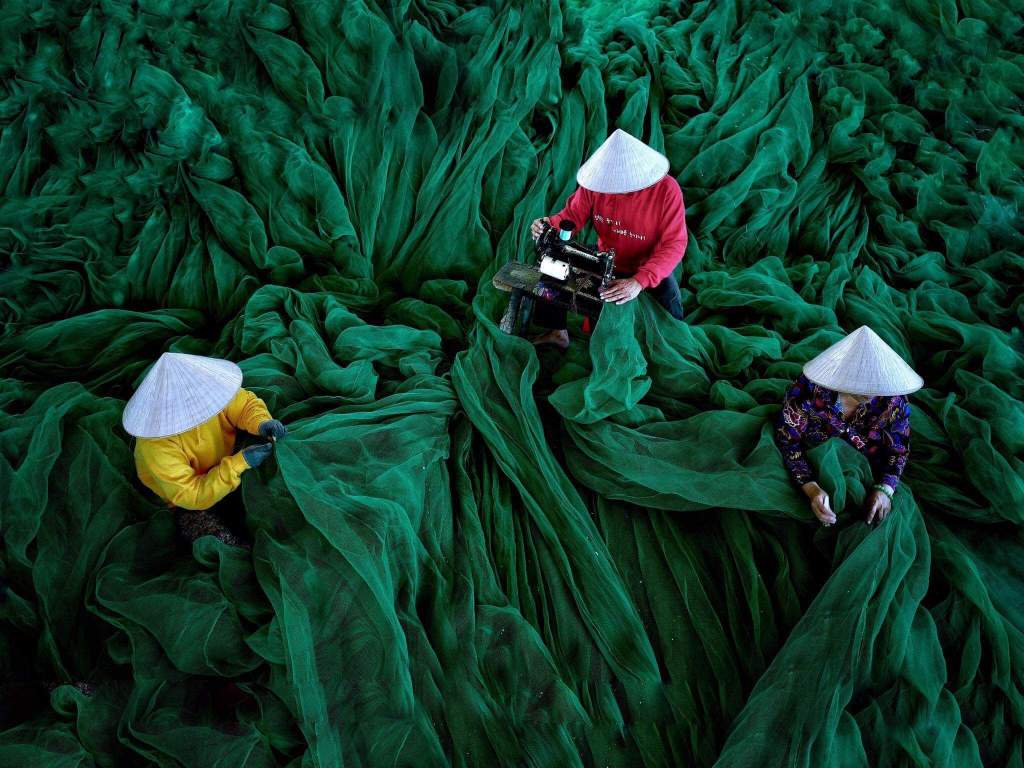
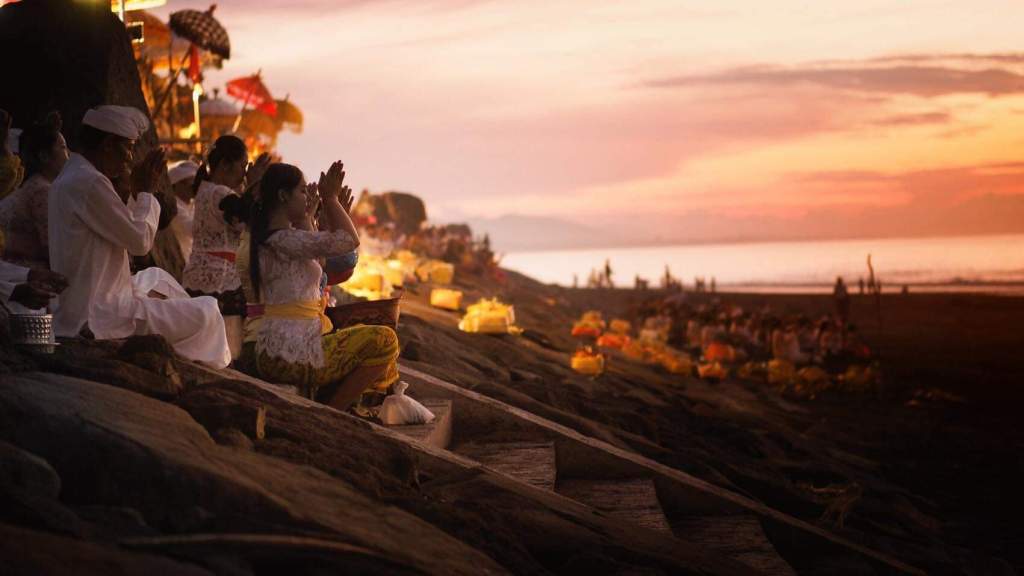
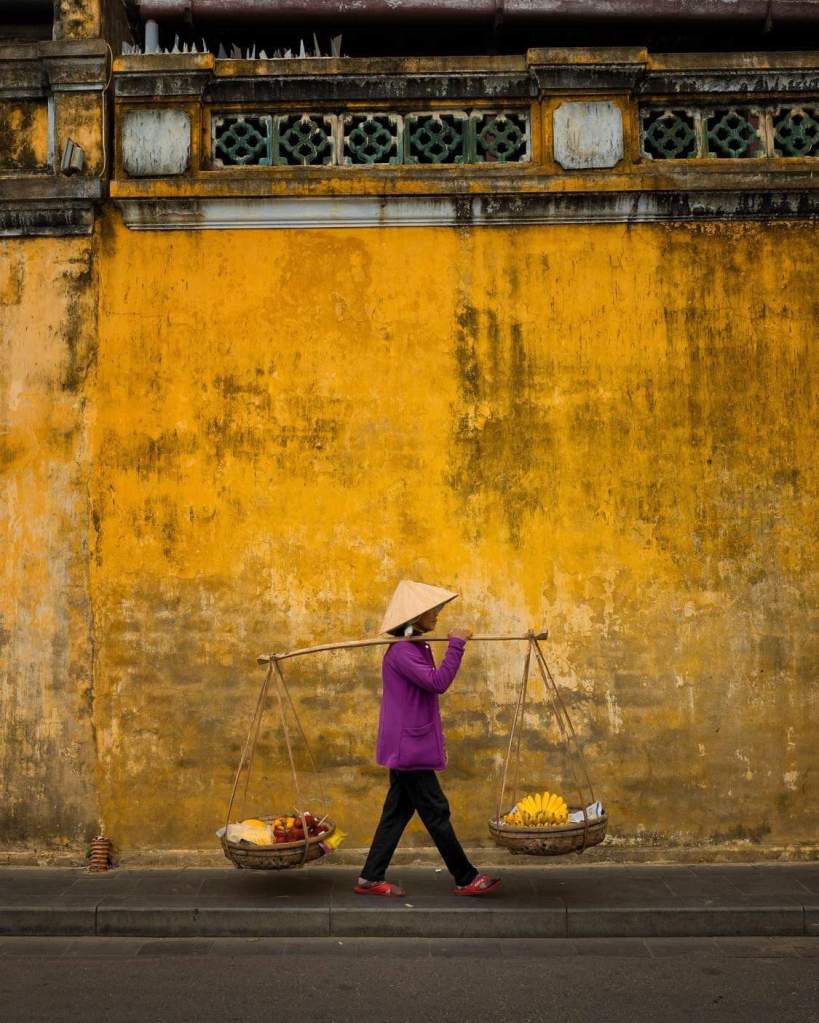
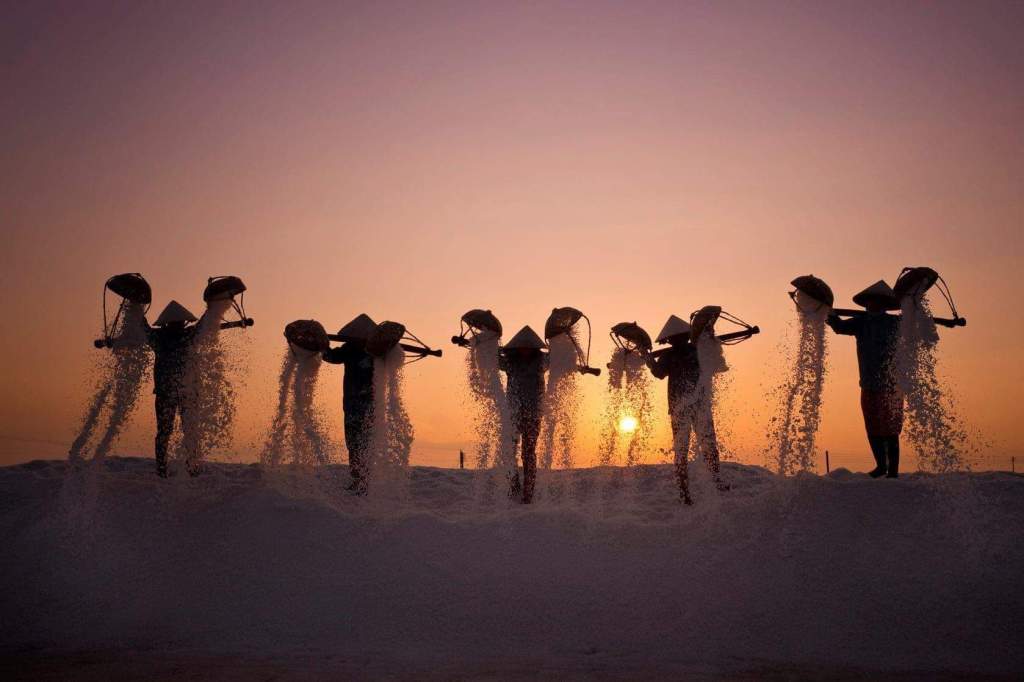
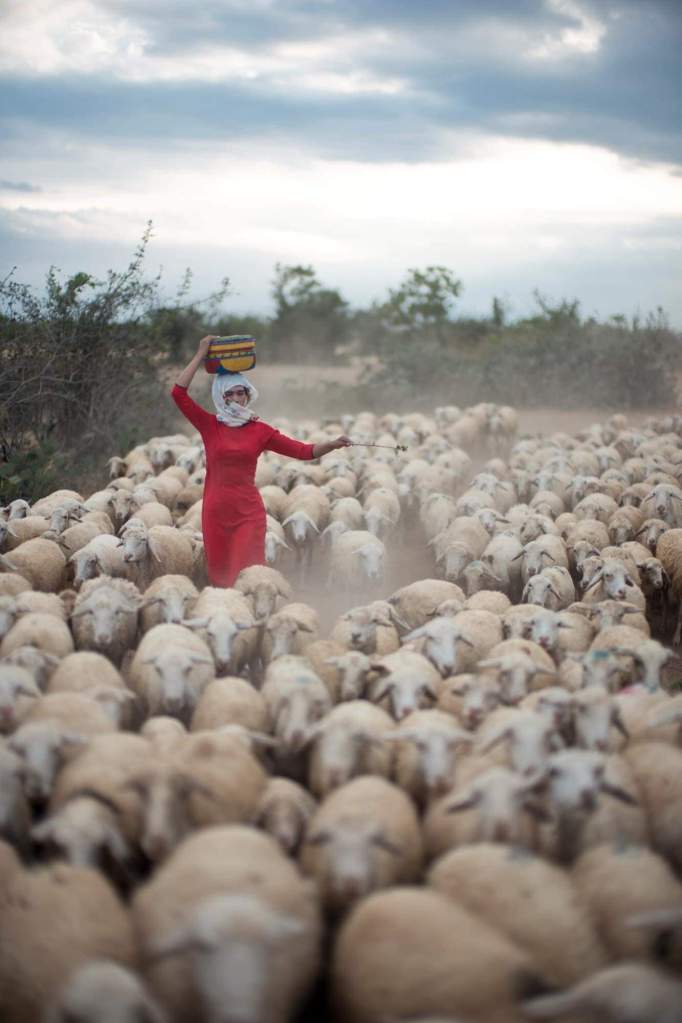
Few more from Joshua’s travel diary.
A series by Joshua Buana on Sadhus of Varanasi, India.



 PHOENIX PHOTOGRAPHY
Leave a comment