
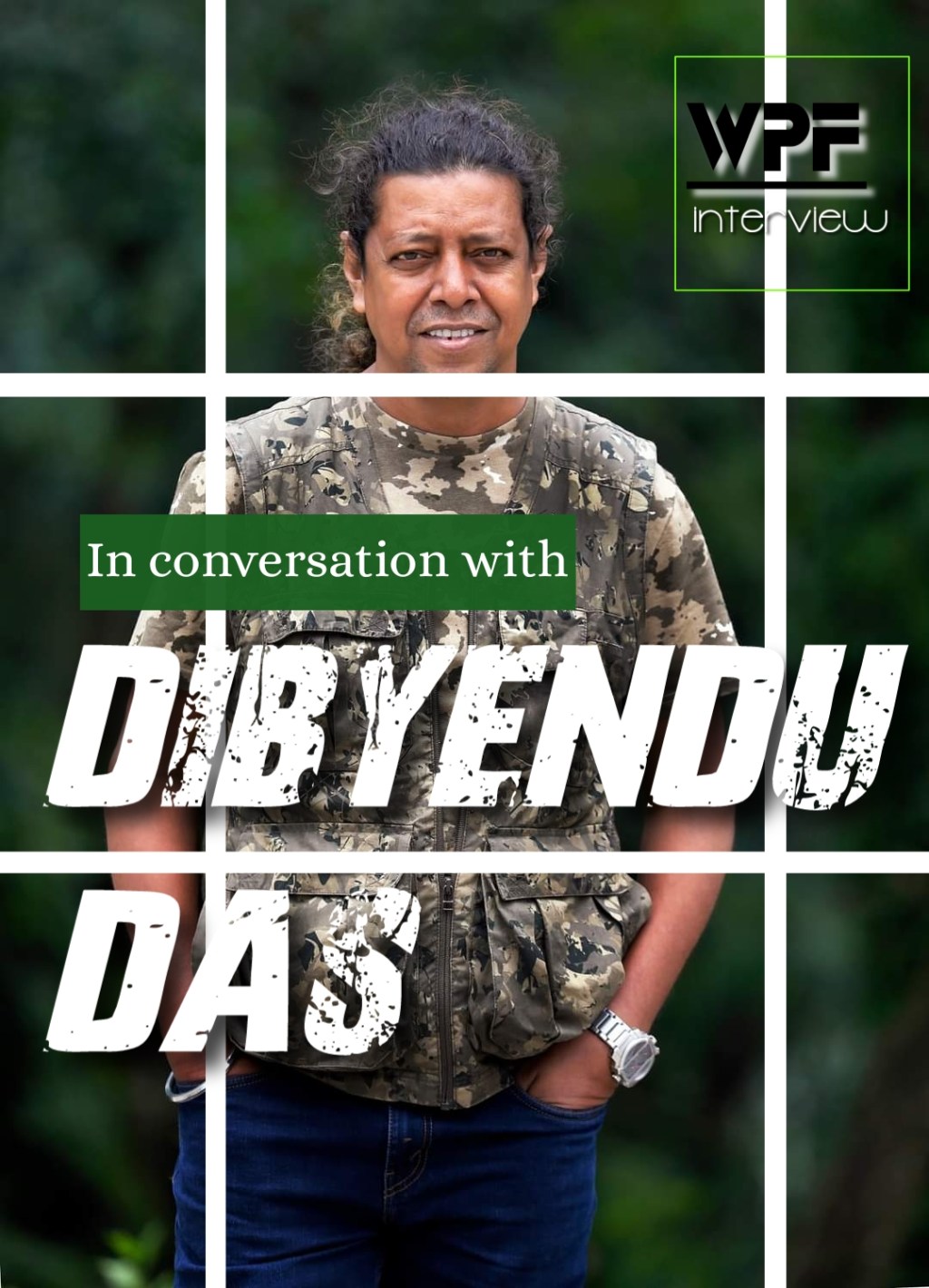
Tell us about your photography journey?
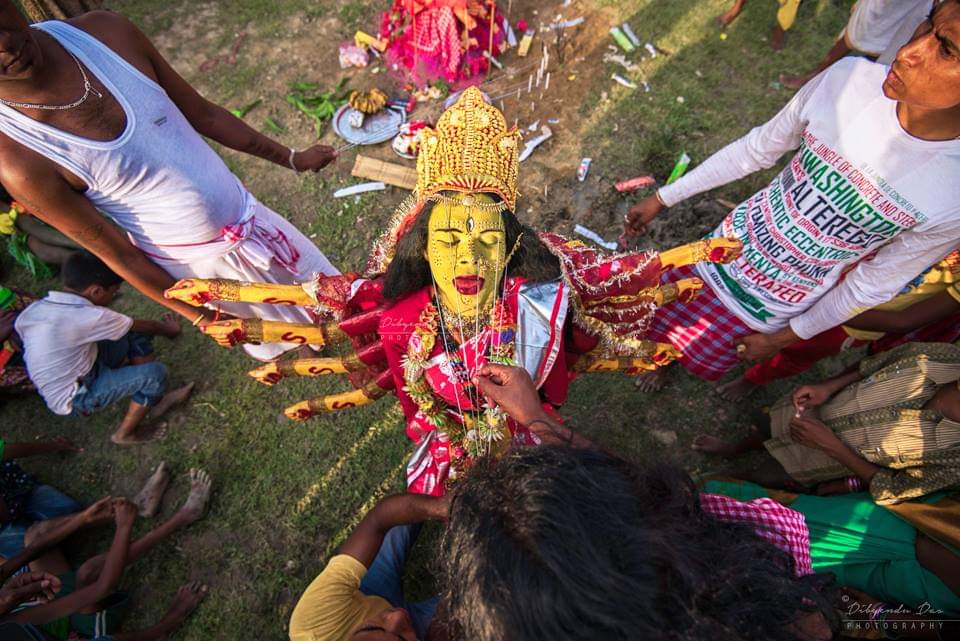
My photography journey began in 2011 with a point and shoot camera Nikon L100 but I hardly used it for 6 months before shifting to DSLR and starting to take photography seriously. But after purchasing DSLR, I realised that I have to learn the post production of an image to give it proper justice and there was a time when I thought it would not be possible for me to learn post processing and that I’d quit. But then few of my photographer friends encouraged me which helped me a lot. In my first 4 years I spent most of my time learning the art and yes it was fully self taught, Google, YouTube, photography websites, photographer friends were the main source of my learning. My first success came in the year 2015 when I won a PSA Gold Medal and Honourable Mention from an International Photography Salon, Jodhpur, Rajasthan. From there on, I never had to look back. Then Smart Photography published my full interview as a Master Craftsman in December, 2015, After that Asian Photography also published my interview in their Pro Profile section. Smart Photography also chose me as one of the 13 Masters of Photography for their 13 Anniversary Edition, I was selected for the Landscape genre. Smart Photography also featured me in almost all their sections in the last 5 years. Asian Photography also featured me for my series on Charak Puja. I am a regular travel story writer for a travel magazine named Discover India’s North East. I also achieved one national and two international photography distinctions viz. FFIP, AFIAP and EFIAP. In 2018 Marumi Filter, Japan chose me as their ambassador for the newly introduced M100 Magnetic filter and I worked with them up to 2019. In 2019 I joined as a Global Ambassador for world’s no. 1 filter co. H&Y for Hong Kong. H&Y also manufactures magnetic filters (K-Series) and I am still working with them. I had also organized a few photo tours before Covid 19 and still people are asking me to organize such tours but due to covid I had to keep it on hold.
Why did you choose Landscape photography?
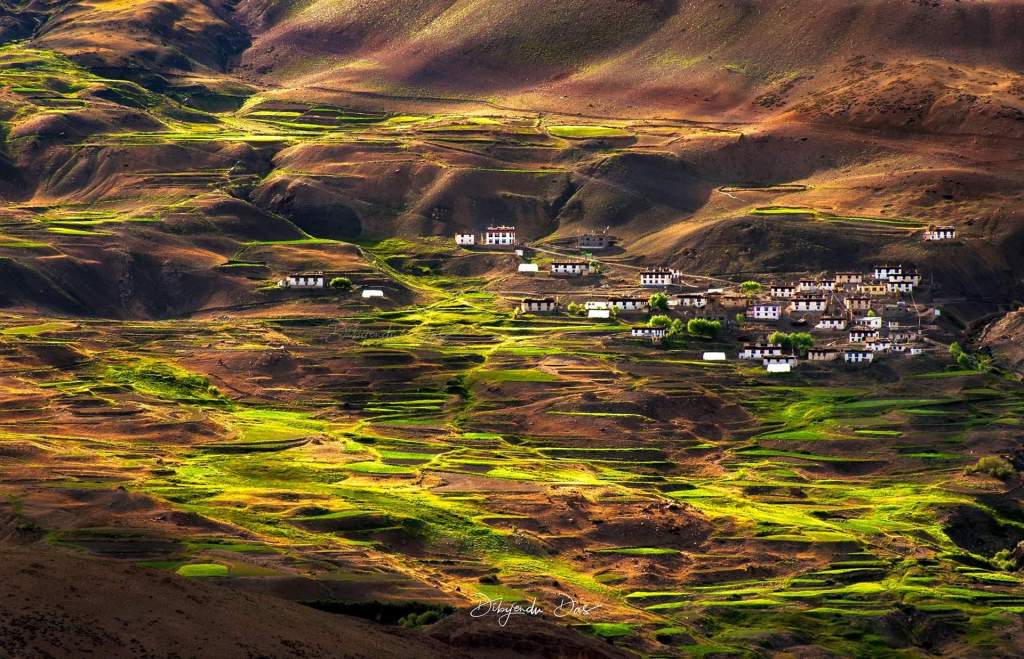
As I was born and brought up in North East India which is a very picturesque state full of natural beauties like mountains, waterfalls, wetlands etc., that was one reason for me to go for landscape photography. Another reason is that, as I am a very shy person so naturally it is very difficult for me to go for street photography or people photography because I don’t know how the person can react if I take his/her images, in fact, initially I had to face such issues which discouraged me a lot to go for that genre. If I talk about event photography, that is not possible for me because of my job. So, the best thing I found is Landscape and Travel photography where there are no such restrictions, it’s up to me where I’d want to go, what I’d want to shoot, my subject never disallows me to take their images. I also love to shoot wildlife.
Describe your kit bag.
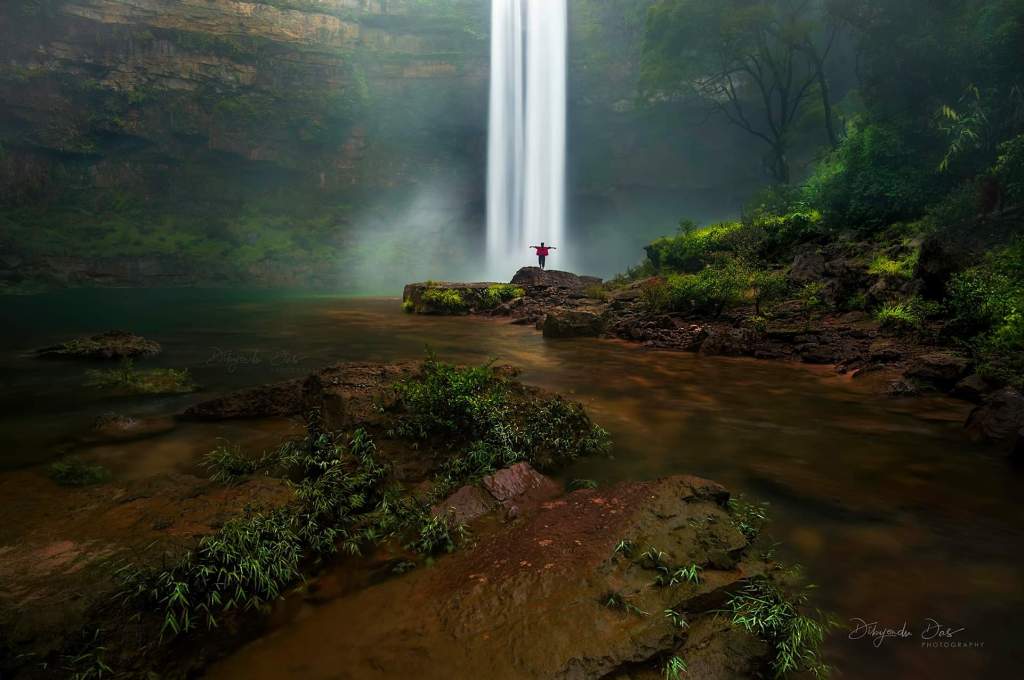
In my kit bag I always carry two bodies; one is a Nikon D90 and another is a Nikon D750, As I am a landscape photographer so I carry wide angle lens Nikkor 16-35 f/4, Nikkor 70-300 VR, Nikkor 200-500 and very recently one of my senior photographer friend has given me a 8mm Fish eye lens which I love very much. Besides these lenses and bodies I carry lots of photography filters. As you know, I was brand ambassador for Japanese Filter Co. Marumi and now a Global Brand Ambassador for H&Y Filter Co. So they had given me a full range of filters which is very essential for landscape photography. I also use two tripods one is Vanguard 263AT and another is a high end mini tripod by Fotopro.
Which is the best time to shoot – morning or evening?
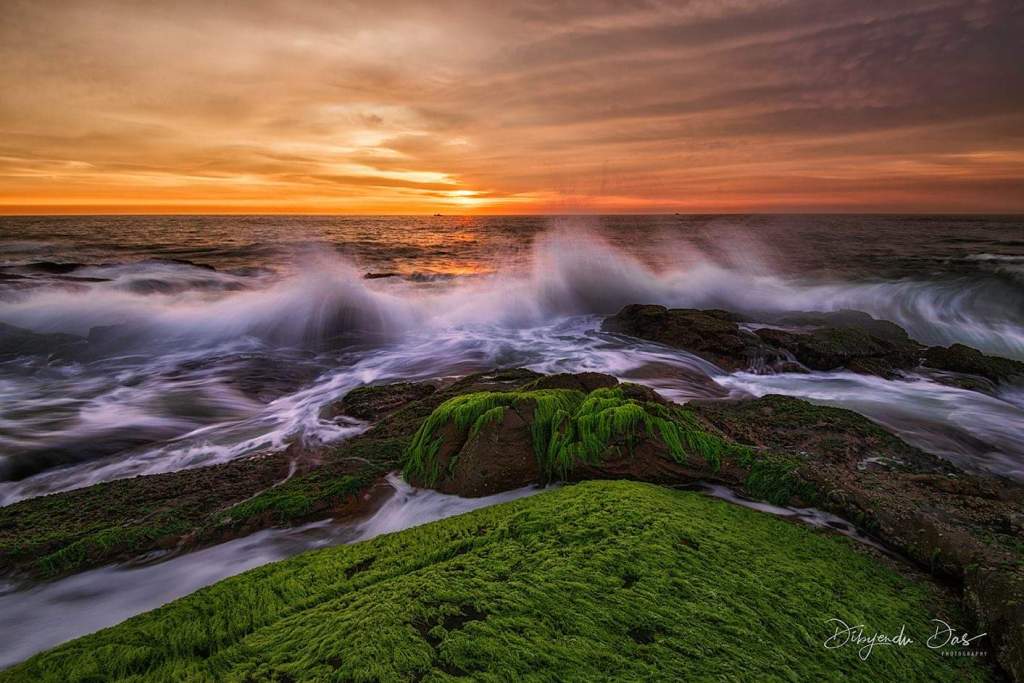
In my opinion, in landscape photography both sunrise and sunset are equally ideal for photography because of the colour tone that’s produced by nature, the movement and quietness of the clouds and so on and so forth. Though both sunrise and sunset are similar, during sunsets, the photographers get more time to shoot in comparison to sunrise. If you are shooting in the eastern parts of India you will get better sunrise and if you are shooting in the western part then you can shoot exquisite sunset images, especially seascapes in the western parts of India.
How to choose the correct ND filter?
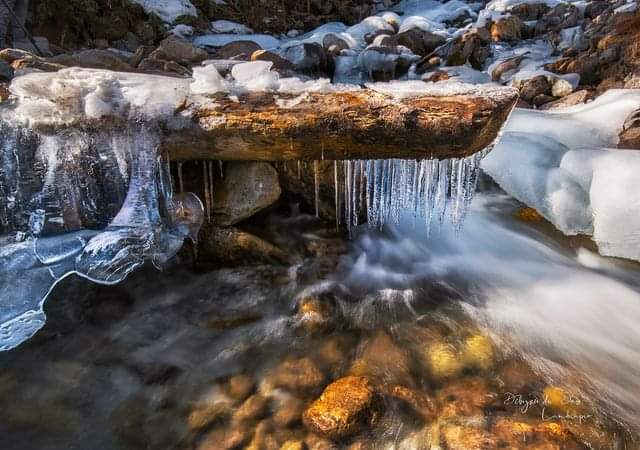
It is very important to know which filter I should use at a particular moment. As an example in a waterfall a Graduated Neutral Density (ND) filter has no use at all, here, pure ND and polarizer are very important. Similarly, during sunrise and sunset when the sky part illuminated with light and ground remains relatively darker then GND(Graduated ND) filter becomes very handy. If you are shooting in a relatively straighter horizon like in front of sea, the Hard Graduated ND or Reverse ND filters are very useful. Another filter I use is called Center GND, that I use mainly when the sun goes down close to the horizon.
How to shoot long exposure pictures without filters?
Yes, anyone can shoot long exposure images without filters. In fact, to shoot light trails I hardly use any filters. To capture cloud movement also one may not use any filter. To shoot the quietness of water bodies one can go without any filter. You just have to adjust your exposure properly and intelligently.
Full frame or crop sensor camera – what do you suggest?
Full frame camera obviously is better than the crop sensor because of the size of the sensor, quality of the image and alongwith few other technical aspects. But it does not mean that crop sensor camera is always inferior than the full frame camera. I know some wildlife photographers who liked to use crop sensor body which gives them advantage over the full frame camera. e.g. suppose, if I use 70-300 in my full frame I will start from 70-300mm whereas if I am using crop body then I will get 105-450mm. I believe one should advance step by step, I will prefer crop body first then learning all the functions of the same and there will be time when the photographer will face few issues that will force him to go for full frame. I will not advise going full frame at first go.
Which photographs are your most acclaimed ones?
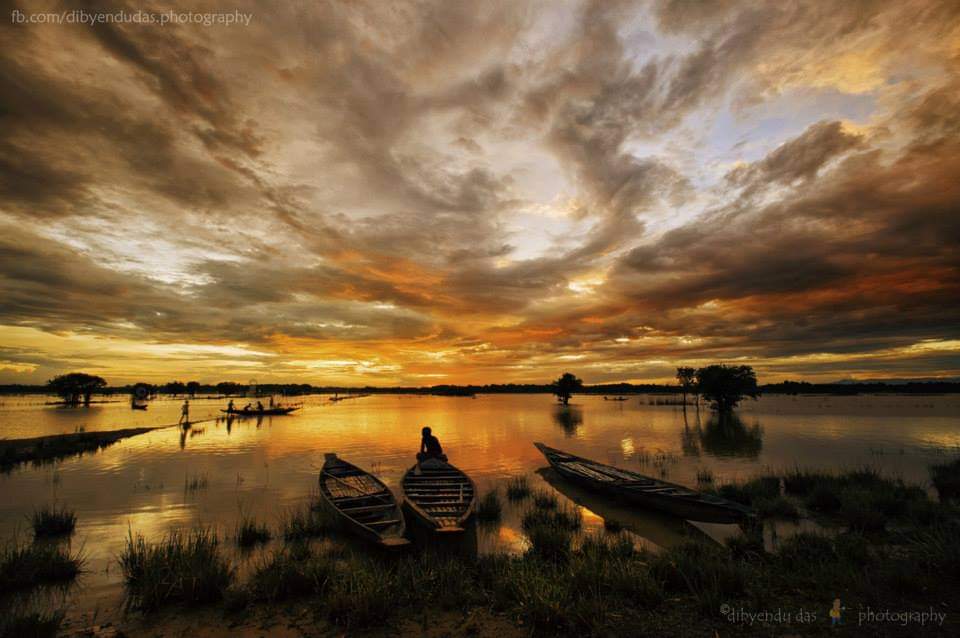
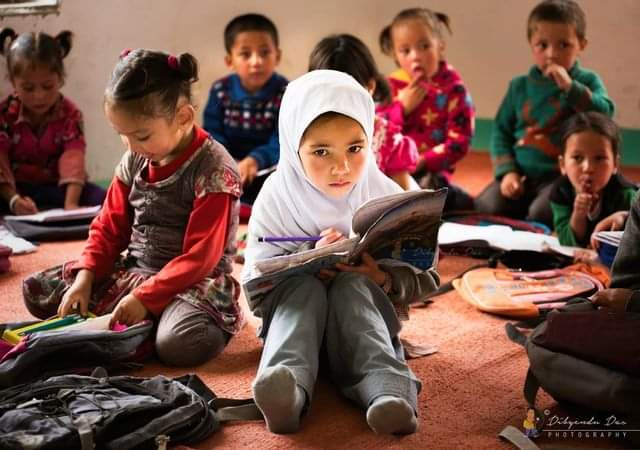
There are quite a few of them, first is Golden Hour, then I’d say Flit on Fairies, then Bliss of Solitude, Eventide, Phea Phea Girls, and a few images of Charak etc.
Your most frequently visited place and which places are in your bucket list?
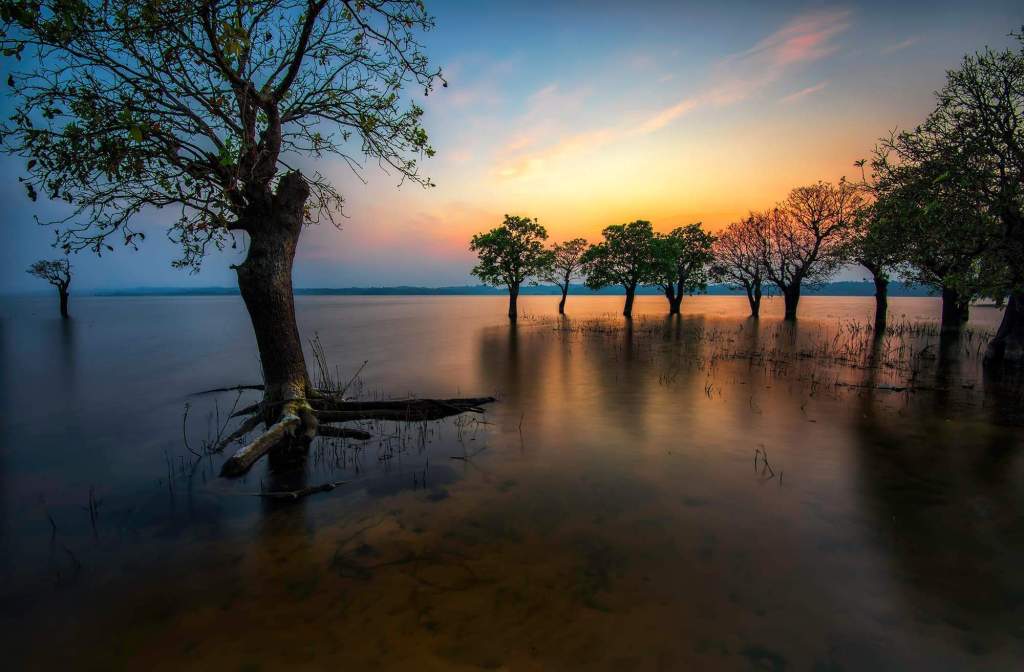
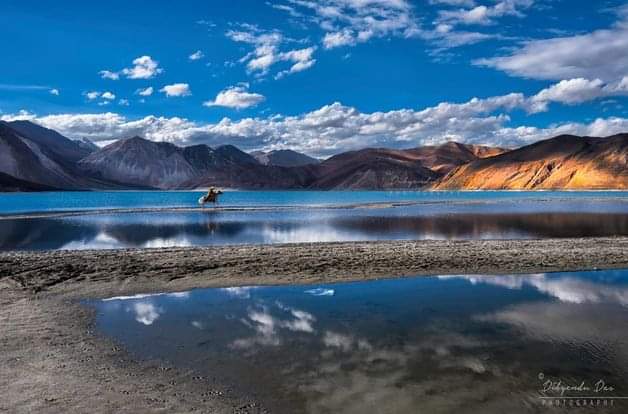
Besides Chatla and Sonbil I visited Meghalaya a few times. Now I want to visit Ladakh, Hampi, Gokarna and Spiti valley again along with Kerala, some other parts of Kashmir and also a few selected places that I have in my mind.
What do you have to say about Plagiarism?
This is a serious issue, every other day I find such things happening with me or others. Though I took actions against few but there are few instances when I could not do anything. I think there should be a law that anyone who uses photographs by any photographer must mention the name of the photographer, you can’t just download from Google and use it.
Do you have any internship or mentoring program?
I prefer it on a one to one basis. This is for the basics and advanced Landscape photography and Post Processing.
Can you share the first picture you took?
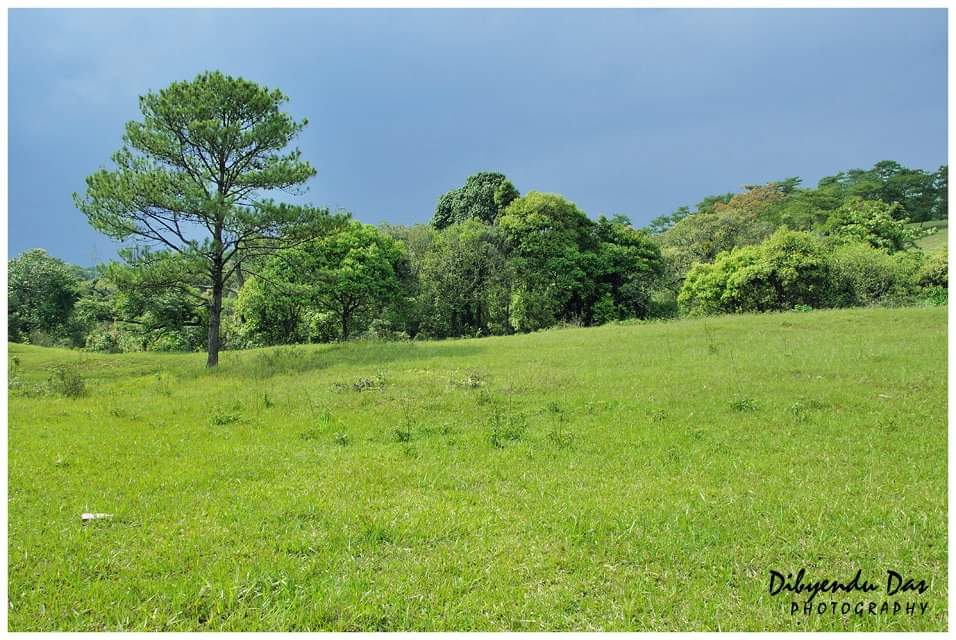
Yes sure, why not? It was way back in 2011 when I started my photography journey without knowing anything. It was probably the month of May when me along with my friend decided to visit Meghalaya. We started very early in the morning and reached Ladrymbai at around 11 am. It was a bit cloudy and a boy from the restaurant where we were having breakfast told us that he will take us to a waterfall nearby but after tracking for a while I found beautiful lush green areas and a lonely pine tree standing in front of dark sky. It looked very attractive to me and thus I clicked the image.
Do you encourage people to participate in photography salons?
” Earlier it was photography, now it has become purely a business, the salon committees just give away a medal for ₹50 and take ₹1000 away from you. They made it into a profession, and the value of the acceptances has come down drastically. “
Do you shoot pictures for yourself or for getting recognition and appreciation?
Actually, it’s both. I took pictures to satisfy myself, I took pictures to execute my imaginations. I want to shoot what I visualise, I want to take what looks good through my viewfinder but I only consider my effort successful if the image gets appreciation from my viewers.
How much COVID 19 pandemic affected your photography?
It has affected me badly, I had to cancel a few very important tours for which I had to bear a huge monetary loss. I had to stop my one to one photography classes. And most importantly I could not go for a photo shoot for myself.
Your thoughts on World Photo Freaks as a platform?
It’s a very good platform for learning photography. Especially for the newcomers. They can learn lots of things from the seniors. The platform has come to this stage from strength to strength. I wish this forum all the very best for the future too.
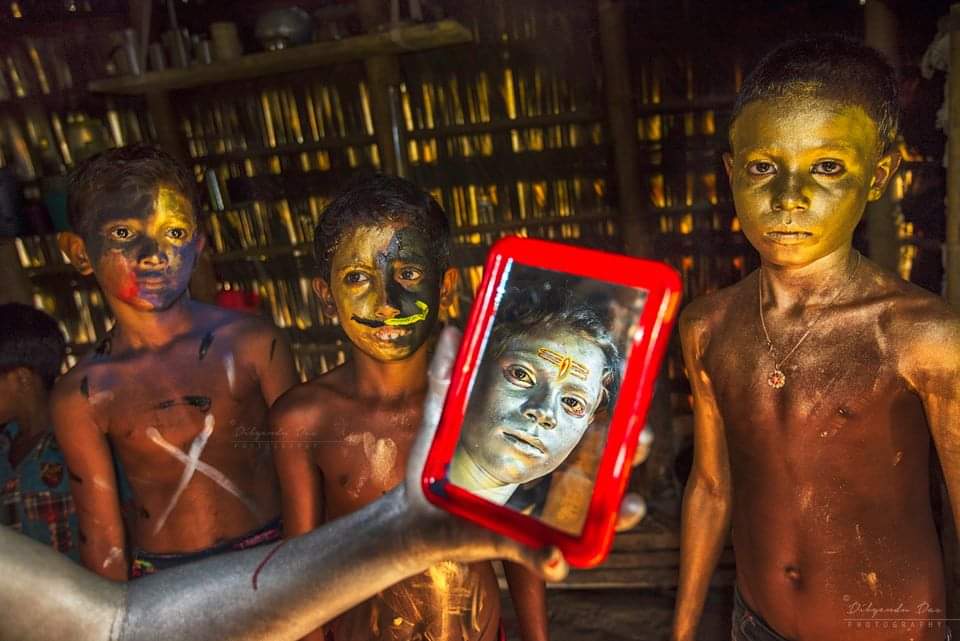
*** As told by Mr. Dibyendu Das to the editor Dr. Devdoot Roy Chaudhury.


 PHOENIX PHOTOGRAPHY
Leave a comment